
#Recipe – it’s more than just a hashtag; it’s a gateway to deliciousness, a promise of comfort, and the spark that ignites culinary creativity. We all love a good #Recipe, don’t we? That perfect combination of ingredients, that tried-and-true method that guarantees a fantastic meal. But what elevates a good #Recipe to a truly unforgettable one? It’s the little touches, the secrets passed down through generations, or perhaps an innovative twist that makes it uniquely ours. This particular #Recipe has captured hearts (and taste buds!) for so many reasons. Its incredible versatility means it can be a weeknight savior or a showstopper for guests. What truly makes this dish special is its ability to evoke feelings of home, warmth, and pure, unadulterated joy with every single bite. Prepare to be inspired and amazed by this culinary gem.

My Go-To Comfort Food: Easy & Delicious One-Pan Roasted Chicken and Vegetables
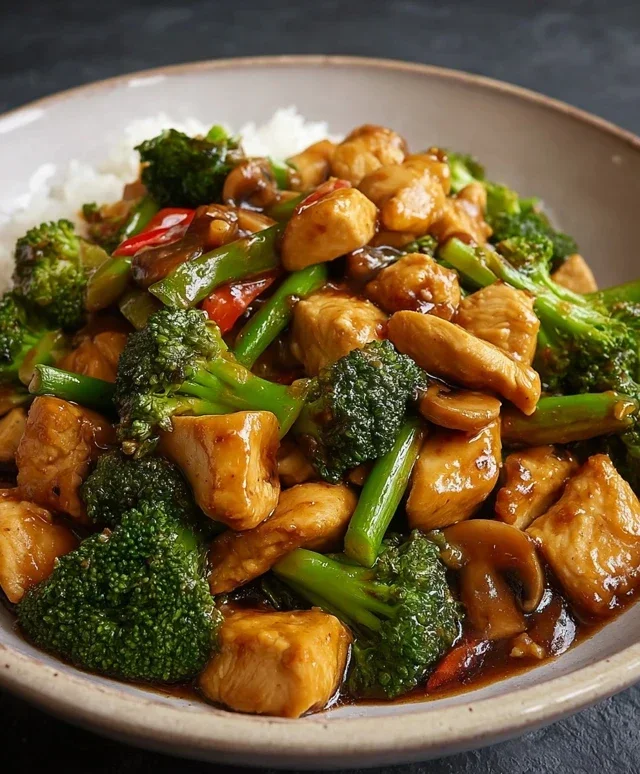
There are some recipes that just stick with you. They become the ones you turn to on a busy weeknight, the ones you can whip up without a second thought, and the ones that consistently bring a smile to everyone’s face. For me, this one-pan roasted chicken and vegetables is that recipe. It’s incredibly simple, requires minimal cleanup, and the aroma that fills your kitchen as it bakes is pure heaven. Plus, it’s a fantastic way to get a good dose of protein and veggies all in one go. I love that it’s so versatile; you can easily swap out the vegetables based on what’s in season or what you have on hand. This is a dish that truly delivers on flavor and ease, making it a regular in my meal rotation.
Ingredients:
Instructions:
Phase 1: Preparation is Key
The first step to culinary success with this dish is proper preparation. Begin extract by preheating your oven to 400°F (200°C). This ensures the oven is at the optimal temperature when your chicken and vegetables are ready to go in, leading to even cooking and beautifully roasted results. While the oven heats up, prepare your chicken. If you’re using a whole chicken, cut it into 8 pieces. This usually involves separating the legs and thighs, the wings, and then cutting the breast in half lengthwise. If you’re short on time or prefer, boneless, skinless chicken thighs are an excellent alternative and will cook even faster. Pat your chicken pieces dry with paper towels. This is a crucial step that helps the skin crisp up beautifully in the oven. Don’t skip this!
Next, it’s time to prep your vegetables. Wash all your chosen vegetables thoroughly. Cut them into uniform, bite-sized pieces. This is important for even cooking; if some pieces are much larger than others, they won’t cook at the same rate. For instance, if you’re using potatoes, aim for cubes about 1 inch in size. Broccoli florets should be roughly the same size. Red onions can be cut into wedges. Bell peppers can be deseeded and cut into chunks. The goal is to have everything ready to roast and mingle together on the same pan.
Phase 2: Seasoning for Maximum Flavor
Now for the fun part – seasoning! In a large bowl, combine your prepared chicken pieces and the chopped vegetables. Drizzle everything generously with the olive oil. The olive oil acts as a binder for the seasonings and helps to create that lovely crispy texture on both the chicken and vegetables. Next, sprinkle on the dried Italian seasoning, garlic powder, and onion powder. Don’t be shy with these! They form the flavor base of this dish. Season liberally with salt and freshly ground black pepper. Remember that vegetables, especially, benefit from a good amount of salt to bring out their natural sweetness.
Once everything is coated, toss gently but thoroughly. You want to ensure that every piece of chicken and every vegetable is kissed by the olive oil and spices. You can use your hands for this (it’s the most effective way!) or a large spoon. Make sure there are no dry spots. If you’re using fresh herbs like rosemary or thyme, you can either toss a few sprigs in with the vegetables or reserve them to place on top later for an extra burst of fresh flavor and aroma.
Phase 3: The Roasting Magic
This is where the magic happens. Take a large rimmed baking sheet or a roasting pan. Arrange the seasoned chicken and vegetables in a single layer on the pan. It’s important not to overcrowd the pan. If your ingredients are piled too high or too close together, they will steam rather than roast, and you won’t get that desirable crispy exterior. If necessary, use two baking sheets. This ensures good air circulation around each piece, allowing for even browning and caramelization.
Place the baking sheet in the preheated oven. Now, the roasting time will depend on the size of your chicken pieces and vegetables. For the chicken pieces, you’re looking for an internal temperature of 165°F (74°C) when checked with a meat thermometer. Typically, this will take anywhere from 30 to 45 minutes for chicken pieces, and slightly longer for bone-in chicken if you chose that route. The vegetables should be tender and slightly caramelized. Keep an eye on them towards the end of the cooking time. If the vegetables are browning too quickly but the chicken isn’t done, you can loosely tent the pan with aluminum foil. Conversely, if the chicken is cooking too fast but the vegetables need more time, you can remove the chicken to a plate to rest and let the vegetables continue to roast.
Phase 4: Checking for Perfection and Resting
About halfway through the cooking time, around the 20-25 minute mark, I like to give everything a good stir or flip. This helps to ensure even browning and cooking on all sides. Use a spatula to gently move the vegetables around and turn the chicken pieces over. This simple step makes a big difference in the final presentation and texture of your dish. Once the chicken is cooked through and reaches that safe internal temperature of 165°F (74°C), and the vegetables are tender and beautifully roasted, remove the pan from the oven.
Allow the chicken and vegetables to rest for about 5-10 minutes on the baking sheet before serving. This resting period is essential for the chicken. It allows the juices to redistribute throughout the meat, making it incredibly moist and tender. If you cut into the chicken immediately, all those delicious juices would run out onto the pan, leaving you with drier chicken. While the chicken rests, the vegetables will continue to slightly tenderize.
Phase 5: Serving and Enjoying
Once rested, your one-pan roasted chicken and vegetables are ready to be devoured! You can serve this directly from the baking sheet for a rustic feel, or plate it up individually. If you reserved any fresh herbs, sprinkle them over the top for a final flourish. This dish is fantastic on its own, but it also pairs wonderfully with a simple side of rice, quinoa, or a fresh green salad. The flavors are so well-balanced, and the simplicity of this recipe makes it a winner every single time. Enjoy the satisfaction of a delicious, healthy meal that required minimal effort and even less cleanup! This is truly my happy place on a plate.
Conclusion:
I hope you’re as excited as I am to dive into this delicious #Recipe! We’ve explored how this dish is incredibly versatile, wonderfully comforting, and surprisingly easy to bring together, making it a perfect addition to any meal rotation. Whether you’re a seasoned cook looking for a quick and satisfying option or a begin extractner wanting to impress, this recipe delivers on flavor and ease. The beauty of this #Recipe lies in its adaptability. Feel free to experiment with different spices, vegetables, or even proteins to make it your own! I encourage you to give it a try this week and discover your favorite iteration.
For serving, consider pairing it with a crisp green salad, fluffy rice, or crusty bread to soak up all those amazing flavors. For variations, you could add a touch of heat with chili flakes, swap in different herbs like basil or cilantro, or even incorporate roasted vegetables for added depth and texture. Don’t be afraid to get creative!
Frequently Asked Questions:
Can I make this recipe ahead of time?
Absolutely! Many components of this #Recipe can be prepared in advance. The base can often be made a day or two prior and reheated. Certain toppings or garnishes are best added just before serving to maintain their freshness.
What are some good vegetarian or vegan substitutes?
For a vegetarian version, you can easily substitute the main protein with hearty vegetables like mushrooms, lentils, or chickpeas. To make it vegan, ensure any dairy components are swapped for plant-based alternatives like coconut milk or nutritional yeast.
How long does it typically take to prepare this #Recipe?
The preparation time is generally quite manageable, often around minutes, with about minutes of cooking. The exact timings can vary slightly depending on your cooking speed and any modifications you choose to make.
#Recipe
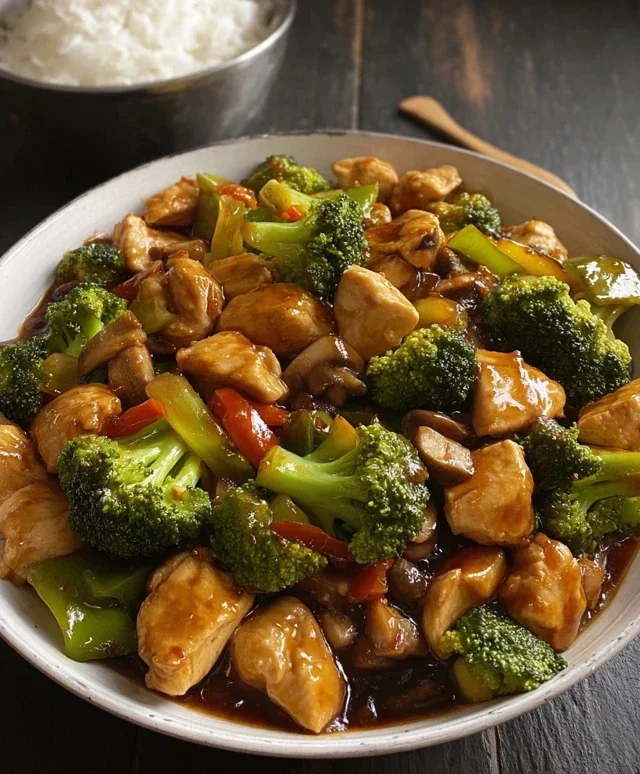
A versatile base recipe that can be adapted with various ingredients.
Ingredients
-
1 pound ground pork
-
1 cup diced onion
-
2 cloves garlic, minced
-
1/2 cup breadcrumbs
-
1/4 cup milk
-
1 tablespoon Worcestershire sauce
-
1 teaspoon salt
-
1/2 teaspoon black pepper
Instructions
-
Step 1
In a large bowl, combine the ground pork, diced onion, and minced garlic. -
Step 2
Add the breadcrumbs, milk, Worcestershire sauce, salt, and pepper to the bowl. -
Step 3
Mix all ingredients gently until just combined. Do not overmix. -
Step 4
Form the mixture into meatballs or patties, as desired. -
Step 5
Cook the meatballs or patties according to your preferred method (baking, pan-frying, etc.) until browned and cooked through.
Important Information
Nutrition Facts (Per Serving)
It is important to consider this information as approximate and not to use it as definitive health advice.
Allergy Information
Please check ingredients for potential allergens and consult a health professional if in doubt.
Leave a Comment