

Chimichurri sauce is more than just a condiment; it’s a vibrant explosion of fresh, herbaceous flavor that has the power to transform even the simplest of meals into something extraordinary. This Argentinian staple, often found gracing grilled meats, has earned its legendary status for a reason. It’s the bright, zesty counterpoint to rich, savory dishes, cutting through fattiness with its lively blend of parsley, oregano, garlic, and a hint of vinegar. What truly makes chimichurri sauce special is its incredible versatility. While perfect for steak, I love it on chicken, fish, roasted vegetables, and even as a dip for crusty bread. It’s the kind of sauce that makes you want to lick the plate clean, a testament to its irresistible freshness and delightful tang.

Chimichurri Sauce: The Vibrant Argentinian Condiment That Will Elevate Your Grilling Game
There’s something undeniably magical about a perfectly grilled steak, a tender piece of chicken, or even some smoky grilled vegetables. But what takes these culinary delights from good to absolutely sensational? Often, it’s the sauce. And when it comes to vibrant, herbaceous, and intensely flavorful sauces, Argentinian chimichurri reigns supreme. This zesty green concoction is more than just a condiment; it’s a celebration of fresh herbs, pungent garlic, and a bright acidic kick that cuts through richness and awakens your palate.
Origin extractating from Argentina and Uruguay, chimichurri is a staple accompaniment to grilled meats, particularly the famous Argentinian asado. Its beauty lies in its simplicity and the incredibly fresh taste it imparts. Forget heavy, cloying sauces; chimichurri is all about freshness and balance. It’s incredibly versatile too. While it’s a classic for grilled steak, I’ve found it to be fantastic drizzled over roasted chicken, tossed with grilled fish, spooned over potatoes, or even used as a vibrant marinade. Making it at home is surprisingly easy, and the difference between store-bought and freshly made is truly night and day. You’ll be amazed at how quickly this bright, herbaceous sauce comes together, transforming your everyday meals into something special.
Ingredients:
*It’s important to use fresh parsley, not the curly variety if you can help it. Flat-leaf Italian parsley has a more robust flavor and a less bitter profile, which is ideal for chimichurri. Pack it in tightly to measure accurately.
**A good quality extra virgin extract olive oil will make a noticeable difference in the final flavor of your chimichurri.
Crafting Your Chimichurri: Step-by-Step
Creating this Argentinian masterpiece is a straightforward process that celebrates the natural flavors of its ingredients. Here’s how to bring this vibrant sauce to life:
Prep Your Herbs and Aromatics
The foundation of any great chimichurri is fresh, vibrant herbs. Start by giving your fresh parsley and cilantro a good rinse under cool water and then thoroughly pat them dry with paper towels. Removing as much moisture as possible will prevent your sauce from becoming watery. Finely chop the parsley and cilantro. Don’t worry about making the chop microscopic; a slightly rustic, finely minced texture is desirable. Next, finely mince the red onion (or shallot, if you prefer a slightly milder, sweeter onion flavor). If you’re using fresh oregano, mince that as well. For the garlic, peel the cloves and mince them very finely. You want the garlic to be present in flavor but not in overwhelming chunks. I like to use a microplane for the garlic if I want it super fine, but a sharp knife works perfectly well too.
Combine the Green Goodness
In a medium-sized bowl, combine your finely chopped parsley, cilantro, oregano (if using fresh), minced red onion, and minced garlic. At this stage, add the salt and the red pepper flakes, if you’re using them. The salt will begin extract to draw out some of the moisture from the aromatics, which will help meld the flavors. Stir everything together thoroughly. This initial mix is where all the fragrant, herbaceous components come together, setting the stage for the acidic brightness to come.
Introduce the Acidic Zing
Now it’s time to add the crucial liquid elements that will balance the richness of the herbs and oil. Pour in the red grape juice vinegar and the fresh lemon juice. The combination of these two provides a layered acidity that is both sharp and slightly fruity. Stir this mixture well, ensuring that the vinegar and lemon juice are evenly distributed throughout the herb and onion mixture. This is where you’ll start to notice the chimichurri really coming alive with its characteristic tang. Taste the mixture at this point and adjust the salt and red pepper flakes if needed. Remember, you can always add more, but you can’t take it away!
Emulsify with Olive Oil
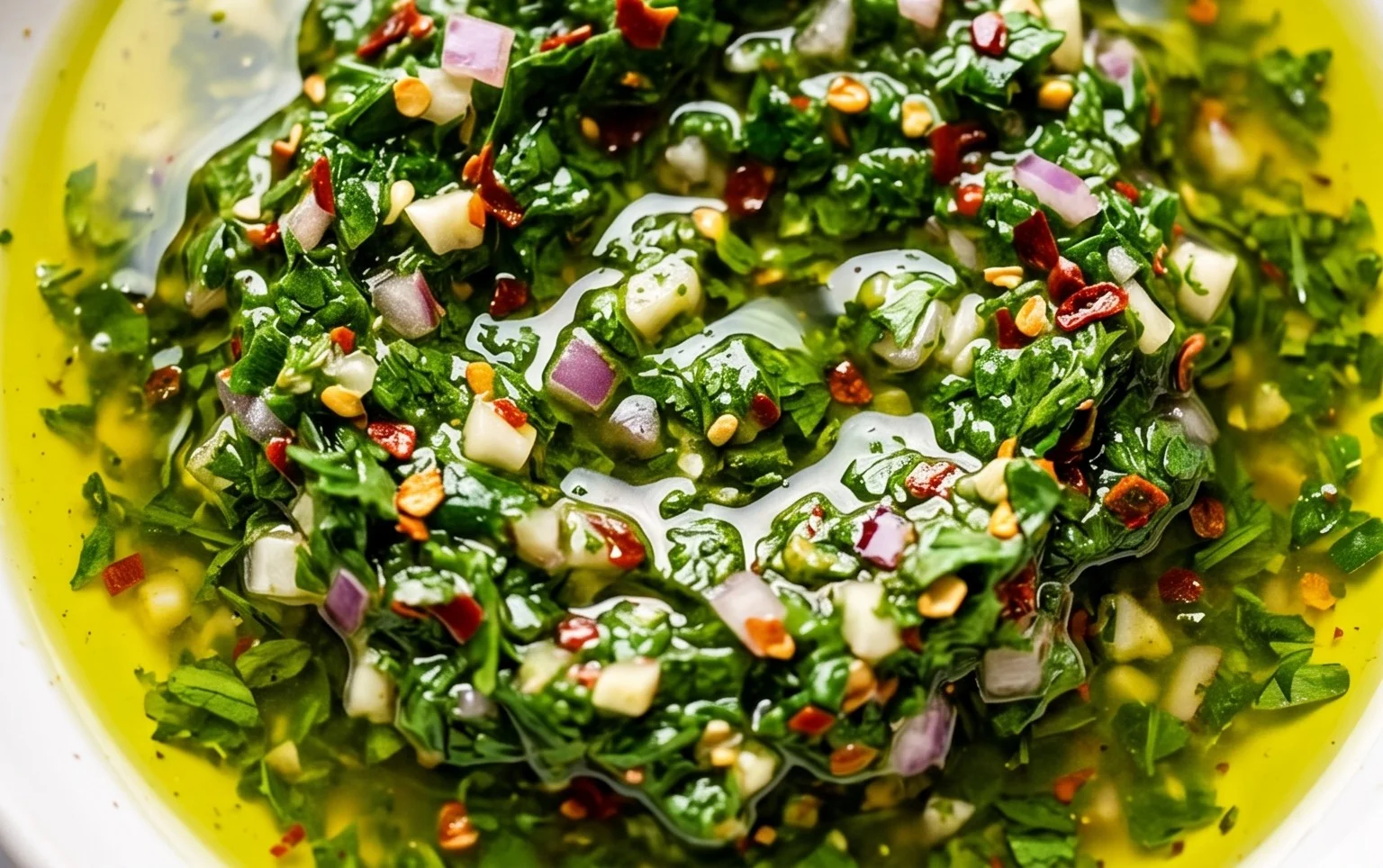
This is the final step in bringin extractg your chimichurri together into a cohesive sauce. Slowly drizzle in the olive oil while stirring constantly. It’s best to add the olive oil in a steady stream rather than all at once. As you stir, you’ll notice the sauce starting to emulsify, meaning the oil and the liquid ingredients will begin extract to bind together, creating a more uniform consistency. You’re not looking for a thick, mayonnaise-like emulsion, but rather a slightly thickened, well-combined mixture where the oil is integrated with the herbs and the acidic components. Keep stirring until all the olive oil is incorporated and you have a beautifully vibrant green sauce.
Rest and Serve
Once your chimichurri is fully mixed, cover the bowl and let it rest in the refrigerator for at least 30 minutes before serving. This resting period is crucial because it allows all the incredible flavors to meld and deepen. The herbs will soften slightly, and the garlic and onion will become less sharp, creating a more harmonious and complex taste. You can even make this sauce a day in advance; the flavors will be even more pronounced. Before serving, give it another good stir. Taste it one last time and adjust seasonings as needed. Serve generously over grilled meats, vegetables, or anything you desire a burst of fresh, zesty flavor. This chimichurri is best enjoyed fresh, but it will keep in an airtight container in the refrigerator for up to 3-4 days.
Conclusion:
I hope you’re as excited about this Chimichurri sauce recipe as I am! It’s truly a game-changer for so many dishes. The vibrant, herbaceous, and slightly tangy flavor profile is incredibly versatile, making it perfect for elevating grilled meats, roasted vegetables, or even as a zesty dressing. This recipe is wonderfully straightforward, allowing you to whip up a batch of this Argentinian classic in minutes. Don’t be afraid to experiment with serving it alongside steak, chicken, fish, or even just some crusty bread for dipping. The beauty of chimichurri lies in its adaptability!
I encourage you to give this fantastic chimichurri sauce a try. You’ll be amazed at how it transforms simple ingredients into something truly special. Feel free to play around with the proportions to suit your taste – perhaps a little more garlic or a touch less chili flake. The possibilities are endless, and the results are always delicious.
Frequently Asked Questions:
How long does chimichurri sauce last?
When stored in an airtight container in the refrigerator, your homemade chimichurri sauce should stay fresh for about 5-7 days. The fresh herbs are best enjoyed sooner rather than later for optimal flavor and color.
Can I make chimichurri ahead of time?
Absolutely! In fact, making chimichurri sauce a few hours or even a day in advance can allow the flavors to meld together beautifully, making it even more delicious. Just be sure to store it properly in the refrigerator.
What are some other ways to use chimichurri?
Beyond the classic pairings, chimichurri is fantastic as a marinade for chicken or beef, a topping for scrambled eggs, a spread on sandwiches, or even mixed into yogurt for a creamy dip. Its bright, fresh taste complements so many foods!
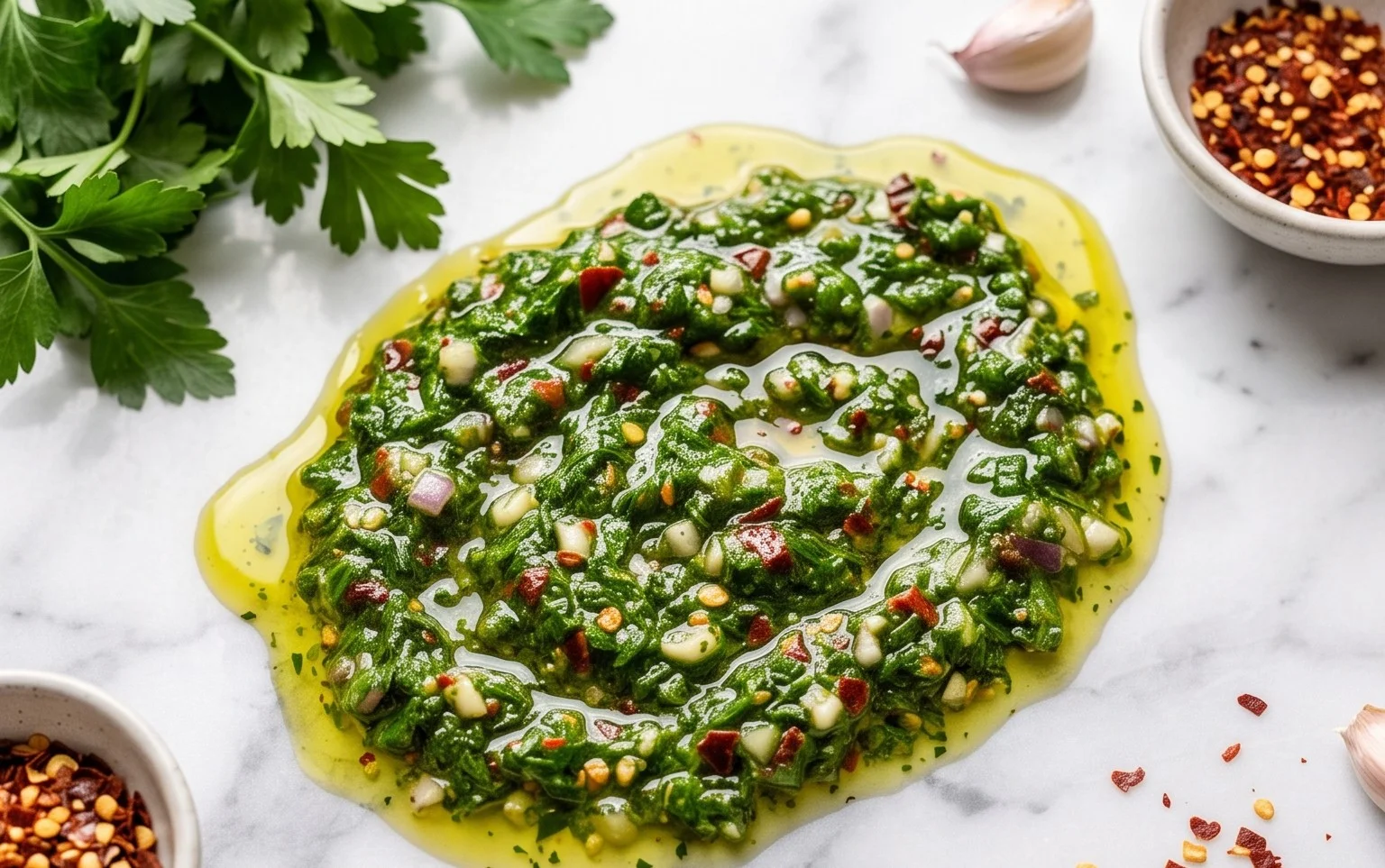
Chimichurri Sauce
A vibrant and herbaceous Argentinian sauce, perfect for grilled meats and vegetables.
Ingredients
-
1 1/2 cups well packed (42g) fresh parsley
-
1/2 cup well packed (20g) fresh cilantro
-
1/4 cup (9g) fresh oregano or 1 tsp dried
-
1/4 small red onion or one small shallot
-
3 garlic cloves
-
3 Tbsp red grape juice vinegar
-
2 Tbsp fresh lemon juice
-
1/2 tsp salt, (then more to taste)
-
1/4 tsp red pepper flakes ((optional, more or less to taste))
-
3/4 cup olive oil
Instructions
-
Step 1
Finely chop the fresh parsley, cilantro, and oregano. If using fresh oregano, chop it finely. -
Step 2
Finely mince the red onion (or shallot) and garlic cloves. -
Step 3
In a medium bowl, combine the chopped herbs, minced onion/shallot, and minced garlic. -
Step 4
Add the red grape juice vinegar, fresh lemon juice, salt, and red pepper flakes (if using) to the bowl. -
Step 5
Slowly whisk in the olive oil until well combined and emulsified. -
Step 6
Taste and adjust salt and red pepper flakes as needed. Let sit for at least 10 minutes to allow flavors to meld before serving.
Important Information
Nutrition Facts (Per Serving)
It is important to consider this information as approximate and not to use it as definitive health advice.
Allergy Information
Please check ingredients for potential allergens and consult a health professional if in doubt.



Leave a Comment