

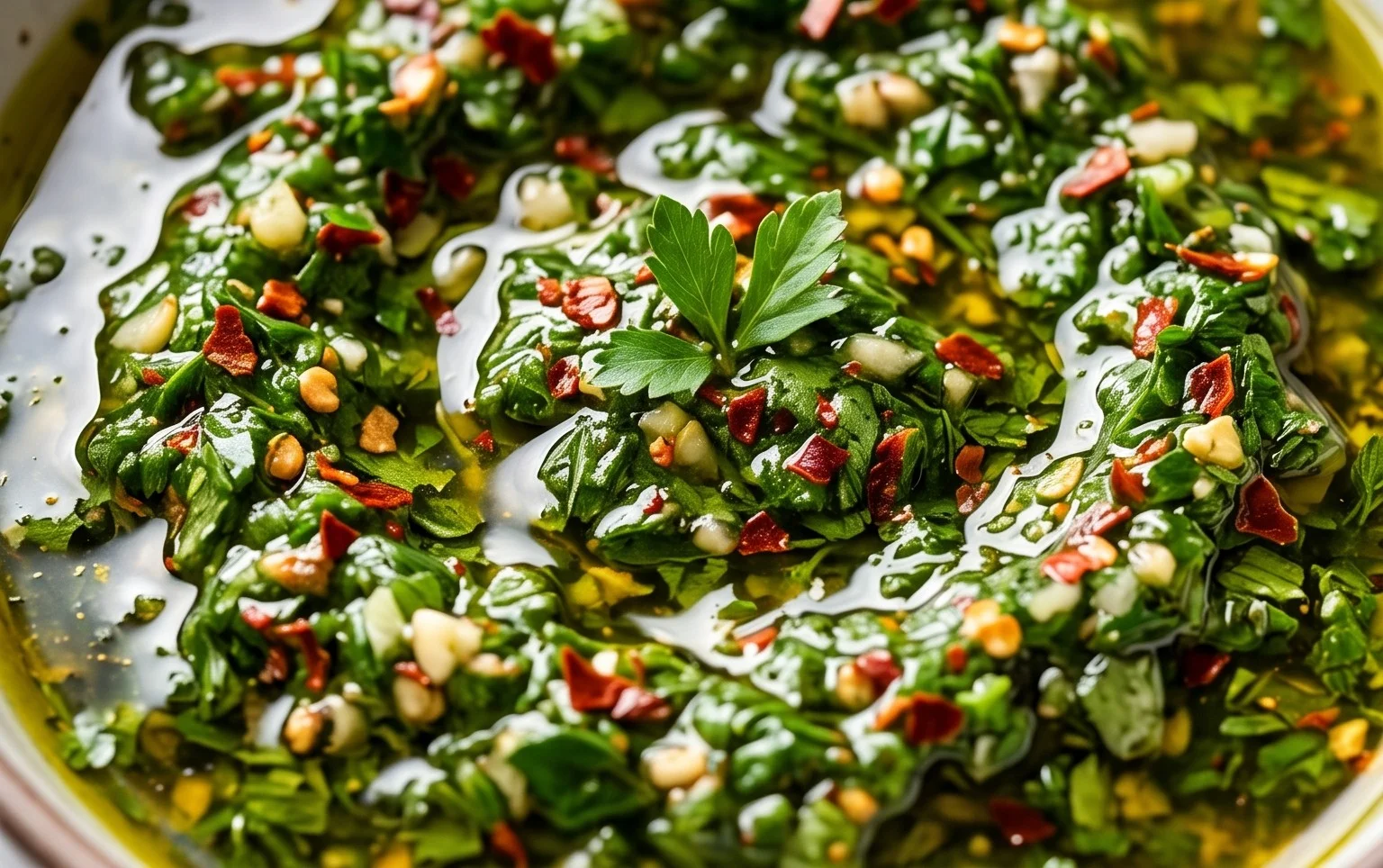
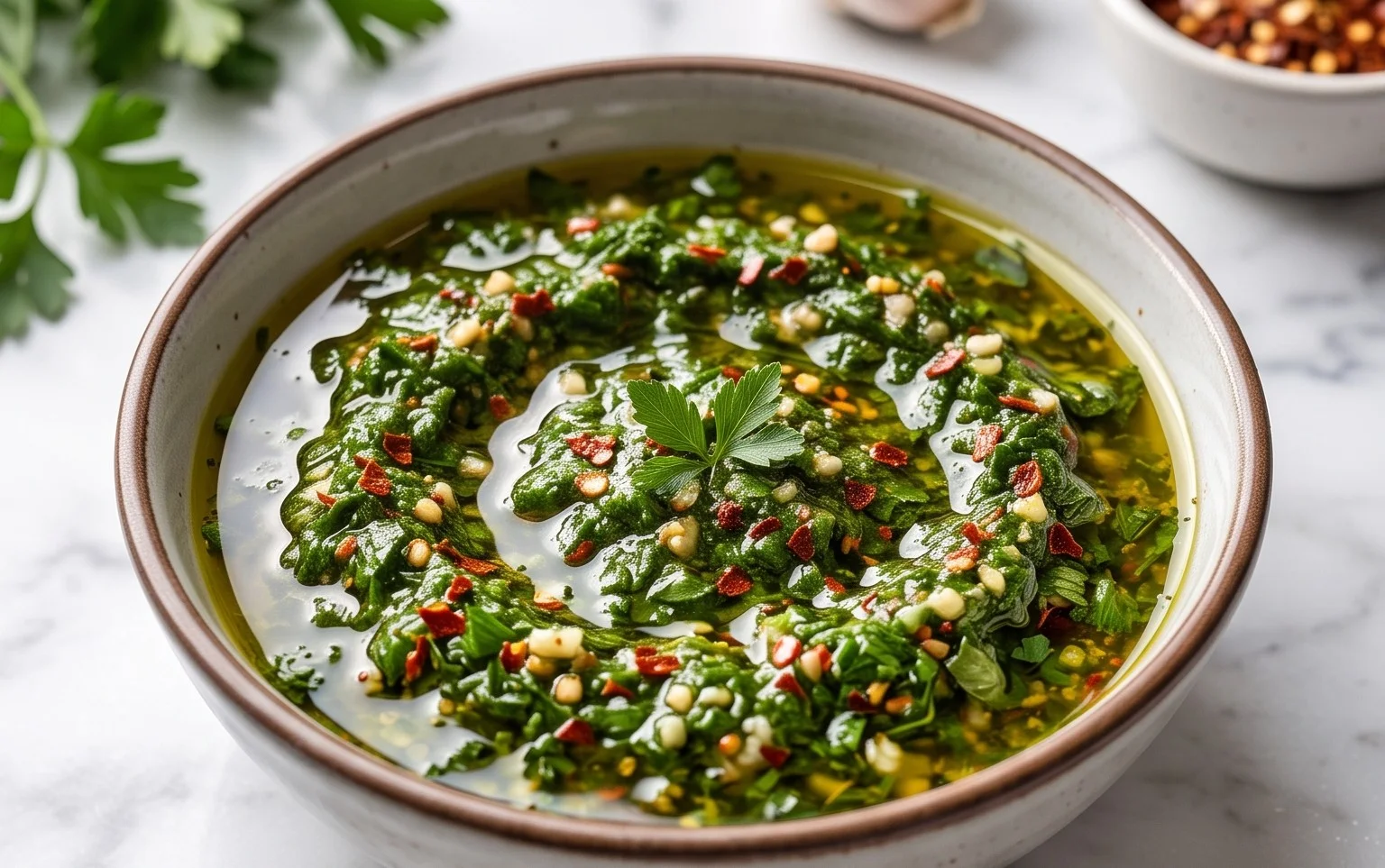
Chimichurri sauce recipe is your gateway to unlocking a world of vibrant flavor that will transform your grilling game and elevate everyday meals. This Argentinian classic isn’t just a condiment; it’s a herbaceous, zesty explosion of freshness that has captivated taste buds worldwide. What’s not to love about a sauce that’s so incredibly versatile? It’s the perfect partner for a perfectly grilled steak, but don’t stop there! I find myself drizzling this amazing chimichurri sauce recipe over roasted vegetables, fish, chicken, and even a simple grilled halloumi. Its magic lies in its simplicity: fresh parsley and oregano, pungent garlic, a kick of chili, all brought together with good quality olive oil and a touch of vinegar. This Argentinian marvel is incredibly easy to whip up, making it a go-to for busy weeknights and impressive weekend gatherings alike. Get ready to discover why this incredibly delicious chimichurri sauce will become a staple in your kitchen.

Chimichurri Sauce Recipe
There’s a reason why chimichurri sauce has become a global culinary darling. This vibrant, herbaceous, and slightly tangy condiment hails from Argentina and Uruguay, where it’s traditionally served with grilled meats. But to limit chimichurri to just steak would be a tragic oversight! Its bright, fresh flavor profile makes it an incredibly versatile addition to a wide range of dishes, from roasted vegetables and grilled fish to chicken, beef, and even as a zesty salad dressing. Making it from scratch is surprisingly simple and infinitely more rewarding than any store-bought version. The key to a truly spectacular chimichurri lies in the freshness of its ingredients and the balance of its flavors. Forget those muted, bland sauces; this recipe will empower you to create a verdant elixir that bursts with taste and aroma.
Ingredients:
Getting Started: Preparing Your Aromatics
The foundation of any great sauce is in its aromatics. For our chimichurri, this means getting our herbs, onion, and garlic ready for their flavor transformation. The fresher your herbs, the brighter and more potent your sauce will be. I always recommend sourcing the freshest possible produce for this recipe. When it comes to the parsley, cilantro, and oregano, ensure you are only using the leafy parts. The stems, particularly for parsley and cilantro, can be quite fibrous and bitter, which would detract from the delicate balance of the sauce. Take your time and meticulously strip the leaves from the stems. For the red onion or shallots, a rough chop is perfectly fine as we’ll be processing them further. The garlic cloves should be peeled. Don’t be tempted to skip the garlic; its pungent bite is crucial for that classic chimichurri zing.
The Art of Chopping and Blending
This is where the magic really starts to happen. We want to create a sauce with a pleasing texture, not a completely smooth paste. The slight coarseness adds character and allows the individual flavors to shine through. There are a couple of ways you can approach this, depending on your preference and available tools.
If you have a food processor, this is your best friend for achieving a quick and efficient result. First, add the roughly chopped red onion or shallots and the peeled garlic cloves to the bowl of your food processor. Pulse a few times until they are finely minced. Then, add all of your fresh herbs – the parsley, cilantro, and oregano – along with the red pepper flakes. Pulse again, intermittently, until the herbs are finely chopped and well combined with the onion and garlic. Be careful not to over-process; you don’t want a mushy texture. You’re aiming for something that looks like a vibrant, finely chopped relish.
Alternatively, if you prefer a more hands-on approach or don’t have a food processor, you can achieve a similar texture with a sharp knife. Finely mince the red onion or shallots and the garlic cloves. Then, very finely chop the parsley, cilantro, and oregano leaves. Combine these finely chopped ingredients in a bowl, along with the red pepper flakes. This method requires a bit more patience but results in a beautifully textured sauce where you can distinctly see the individual herb components.
Building the Flavor Profile: The Wet Ingredients
Once your aromatics are prepped and processed, it’s time to introduce the liquids that will bind everything together and elevate the flavors. In a separate bowl, or directly into the bowl with your chopped ingredients if you used the knife method, add the extra-virgin extract olive oil. This is the backbone of the sauce, providing a smooth mouthfeel and carrying the flavors of the other ingredients. Don’t skimp on the quality of your olive oil; a good extra-virgin extract olive oil will make a noticeable difference.
Next, we add the vinegars. Red grape juice vinegar is traditional and provides a lovely, slightly fruity acidity. Red grape juice vinegar is a perfectly acceptable substitute if you can’t find red grape juice vinegar. Measure out 1/4 cup of your chosen vinegar. Then, add the fresh lemon juice. The lemon juice adds another layer of bright acidity and a citrusy note that complements the herbs beautifully. The combination of vinegar and lemon juice is key to chimichurri’s refreshing tang.
Finally, season your sauce with 1 teaspoon of kosher salt. Kosher salt has larger, more irregular crystals than table salt, which makes it easier to control the seasoning. Give everything a gentle stir to combine.
The Crucial Step: Allowing Flavors to Meld
This is perhaps the most important step in achieving a truly exceptional chimichurri. While you can serve it immediately, and it will still be delicious, allowing the sauce to rest is where the real flavor development occurs. Transfer the chimichurri to an airtight container or cover the bowl tightly. Refrigerate it for at least 30 minutes, but ideally for an hour or two. This resting period allows the flavors of the garlic, onion, herbs, and acids to meld and harmonize. The sharpness of the raw garlic and onion will mellow, and the herbs will infuse the oil and vinegar more deeply.
Before serving, give the chimichurri a good stir. You might notice that it has thickened slightly. Taste and adjust seasoning if necessary. You might find you want a touch more salt, a little more lemon juice for extra zing, or even a pinch more red pepper flakes for added heat.
Chimichurri is best served fresh, but it will keep in the refrigerator for up to a week. The vibrant green color might fade slightly over time, but the flavor will remain robust. Enjoy this versatile sauce with all your favorite grilled and roasted dishes!
Conclusion:
There you have it! This chimichurri sauce recipe is an absolute game-changer for your kitchen. Its vibrant, herbaceous, and slightly tangy profile is incredibly versatile, transforming simple grilled meats, roasted vegetables, or even a humble sandwich into something extraordinary. The beauty of this sauce lies in its freshness and how easily you can customize it to your liking. Don’t be afraid to experiment!
Beyond the classic pairing with steak, I encourage you to try this chimichurri sauce on grilled fish, chicken skewers, roasted potatoes, or even drizzled over a hearty grain bowl. It adds a burst of flavor that’s both refreshing and satisfying. So, go ahead, gather your fresh herbs, and whip up a batch. I promise you won’t regret it!
Frequently Asked Questions:
How long does chimichurri sauce last?
Stored in an airtight container in the refrigerator, this chimichurri sauce will stay fresh for up to 5-7 days. The flavors tend to meld and deepen over time, making it even more delicious!
Can I freeze chimichurri sauce?
While it’s best enjoyed fresh, you can freeze chimichurri sauce. It’s a good idea to freeze it in ice cube trays for easy portioning, then transfer the frozen cubes to a freezer-safe bag. The texture might change slightly upon thawing, but the flavor will still be wonderful.
What if I don’t have fresh oregano or parsley?
While fresh herbs are ideal for the brightest flavor, you can substitute dried herbs in a pinch. Use about 1 teaspoon of dried oregano for every tablespoon of fresh, and about 1 tablespoon of dried parsley for every tablespoon of fresh. Keep in mind the flavor will be less intense.
Chimichurri Sauce Recipe
A vibrant and zesty Argentine sauce perfect for grilling, marinades, and dipping.
Ingredients
-
1 cup fresh Italian flat-leaf parsley, leaves only, stems removed
-
1/4 cup fresh cilantro, leaves only, stems removed
-
1/4 cup fresh oregano, leaves only, stems removed
-
1/3 cup roughly chopped red onion
-
3 cloves garlic, peeled
-
1/2 teaspoon red pepper flakes
-
1/2 cup extra-virgin olive oil
-
1/4 cup red grape juice vinegar
-
3 tablespoons fresh lemon juice
-
1 teaspoon kosher salt
Instructions
-
Step 1
Finely chop the parsley, cilantro, and oregano. -
Step 2
In a food processor, combine the chopped herbs, red onion, garlic, and red pepper flakes. -
Step 3
Pulse until finely chopped but not puréed. -
Step 4
Add the extra-virgin olive oil, red grape juice vinegar, fresh lemon juice, and kosher salt. -
Step 5
Process or whisk until well combined and emulsified. -
Step 6
Taste and adjust seasoning as needed. -
Step 7
Let the sauce sit for at least 10 minutes to allow flavors to meld before serving.
Important Information
Nutrition Facts (Per Serving)
It is important to consider this information as approximate and not to use it as definitive health advice.
Allergy Information
Please check ingredients for potential allergens and consult a health professional if in doubt.


Leave a Comment