

Miso soup recipe is a gateway to pure comfort and subtle deliciousness, a culinary hug in a bowl that has captivated palates worldwide. There’s a reason this seemingly simple dish holds such a revered place in Japanese cuisine and has become a cherished starter in so many homes. It’s the perfect balance of umami-rich miso, savory dashi broth, and often a delightful medley of soft tofu, delicate seaweed, and verdant scallions that makes it so utterly satisfying. What truly sets this miso soup recipe apart is its incredible versatility and the depth of flavor it achieves with just a few key ingredients. It’s a dish that feels both nourishing and incredibly light, an ideal prelude to any meal or a comforting solo indulgence. Join me as we unlock the secrets to creating this exquisite miso soup recipe that will leave you feeling warm and wonderfully content.

Miso Soup Recipe
There’s something incredibly comforting and deeply satisfying about a warm bowl of miso soup. It’s a staple in Japanese cuisine for a reason: it’s simple to make, incredibly healthy, and bursting with a unique umami flavor that awakens the palate. Forget the instant packets; making authentic miso soup from scratch is surprisingly easy and elevates the experience tenfold. The beauty of this recipe lies in its simplicity and the depth of flavor you can achieve with just a few key ingredients. Whether you’re a seasoned cook or just starting out in the kitchen, this miso soup recipe is a fantastic addition to your culinary repertoire. It’s perfect as a light appetizer, a side dish to your favorite Asian meal, or even a comforting snack on a chilly evening. Let’s dive into creating this delightful and nourishing soup.
Ingredients:
Cooking Instructions
Creating this delicious miso soup is a straightforward process that can be broken down into a few simple steps. The key is to handle the miso paste correctly to preserve its delicate flavor and beneficial probiotics.
Preparing the Dashi and Seaweed
1. Begin extract by preparing your dashi. If you’re using instant dashi granules, simply whisk them into the hot water according to the package instructions until fully dissolved. For a more authentic flavor, you can make dashi from kombu (kelp) and katsuobushi (bonito flakes), but for this recipe, a good quality instant dashi will work beautifully. Next, take your dried seaweed. If you’re using wakame, which is common for miso soup, it will likely be dried and come in small flakes or pieces. You don’t typically need to rehydrate it before adding it to the soup; it will soften beautifully in the hot broth. Measure out one heaping tablespoon, ensuring you get a good amount.
Heating the Broth and Adding Tofu
2. Pour your prepared dashi into a medium-sized saucepan. Place the saucepan over medium heat. You want to bring the dashi to a gentle simmer, but avoid a rolling boil, as this can affect the delicate flavor of the miso later on. Once the dashi is warm and just begin extractning to steam, carefully add the silken tofu. Ensure the tofu is cut into small, bite-sized pieces, about ½-inch cubes. Silken tofu is very delicate, so handle it with care to prevent it from breaking apart too much. Allow the tofu to heat through in the dashi for about 2-3 minutes. This ensures it’s warmed without becoming mushy.
Incorporating the Seaweed
3. Now it’s time to add the dried seaweed. Sprinkle the heaping tablespoon of dried seaweed directly into the simmering dashi and tofu mixture. As the seaweed comes into contact with the hot liquid, you’ll notice it begin extract to rehydrate and expand, softening and releasing its subtle oceanic flavor. Stir gently to distribute the seaweed evenly throughout the broth. Let it simmer for another minute or two, allowing the seaweed to fully soften and infuse its taste into the dashi. This step adds a lovely texture and an extra layer of umami to your soup.
Dissolving the Miso Paste – The Crucial Step
4. This is arguably the most important step in making delicious miso soup. You must not boil the miso paste, as high heat can destroy its delicate flavor and beneficial live cultures. To properly incorporate the miso, take a small ladle or a heatproof cup and scoop out about ½ cup of the hot dashi from the saucepan. Place this liquid into a separate small bowl. Add your miso paste to this bowl – start with 2 tablespoons, but feel free to adjust to your preference. Using a whisk or a fork, vigorously stir the miso paste into the hot dashi until it is completely dissolved and forms a smooth paste with no lumps. This process is called “tempering” the miso, and it ensures an even distribution of flavor throughout the soup without cooking the miso.
Finishing and Serving
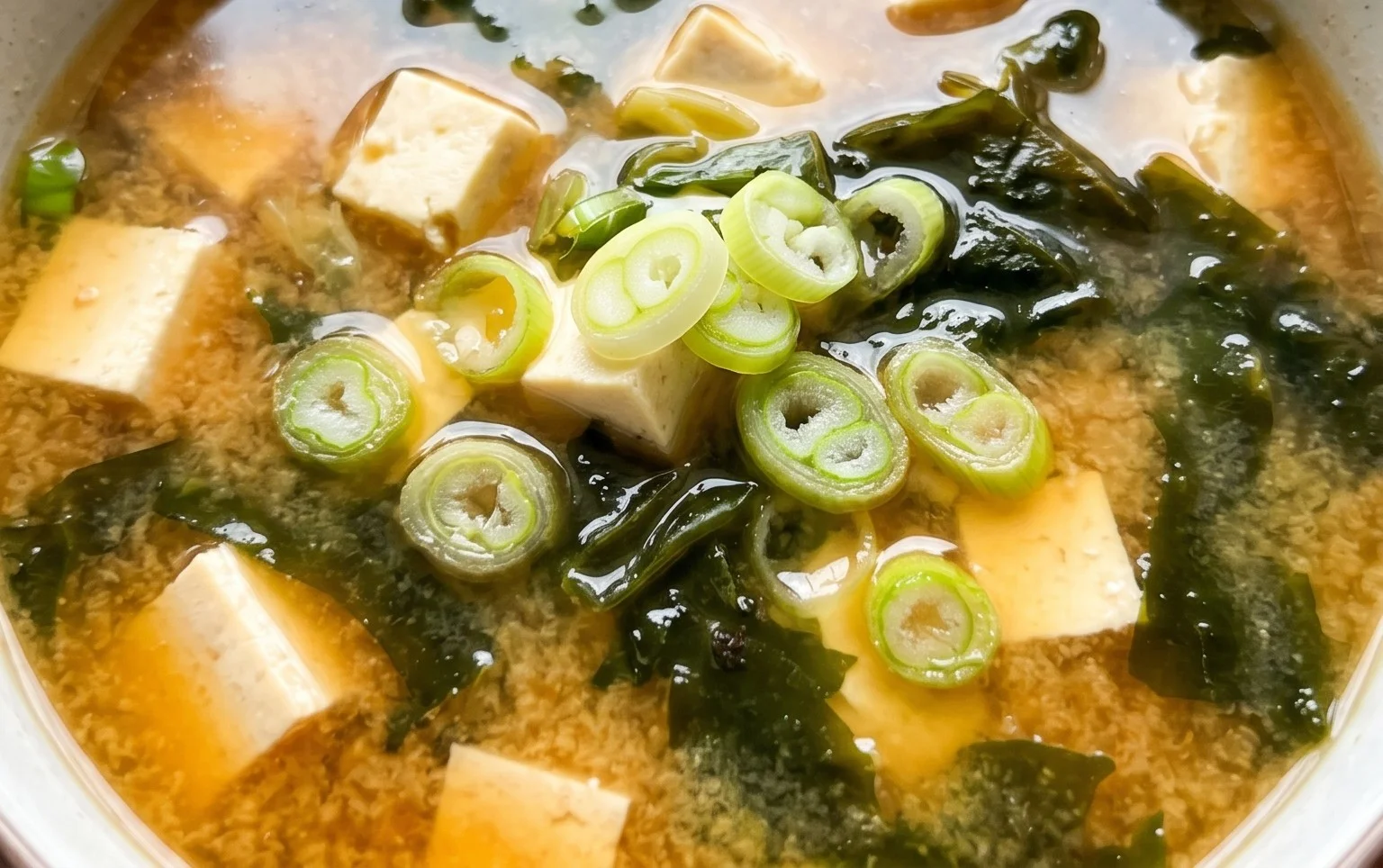
5. Once the miso paste is fully dissolved in the small bowl, it’s time to combine it with the rest of the soup. Reduce the heat of the saucepan to the lowest setting, so the soup is just warm and no longer simmering vigorously. Carefully pour the dissolved miso mixture back into the saucepan with the dashi, tofu, and seaweed. Stir gently to incorporate the miso thoroughly into the entire pot of soup. Taste the soup and adjust the seasoning if necessary by adding a little more miso paste (dissolved in a bit of warm dashi first) for a more robust flavor. Ladle the hot miso soup into individual serving bowls. Garnish generously with the chopped scallions for a fresh, bright finish. Serve immediately and enjoy the comforting warmth and exquisite flavor of your homemade miso soup.
Conclusion:
And there you have it! Our simple yet incredibly rewarding Miso Soup Recipe is more than just a starter; it’s a gateway to comforting, umami-rich flavors that are both nourishing and incredibly satisfying. Its beauty lies in its simplicity and versatility, making it a perfect addition to any meal, from a light lunch to a hearty dinner accompaniment. We hope you’ve enjoyed learning how easy it is to create this foundational Japanese dish right in your own kitchen.
This comforting bowl is wonderful served as is, or feel free to elevate it with our suggested variations. Try adding some silken tofu for extra protein, some vibrant spinach or bok choy for added greens, or even a sprinkle of toasted sesame seeds for an extra nutty crunch. The possibilities are endless!
We wholeheartedly encourage you to give this Miso Soup Recipe a try. It’s a fantastic way to bring a taste of authentic Japanese cuisine to your table and experience the pure goodness of fermented soybean paste. Don’t be afraid to experiment and make it your own!
Frequently Asked Questions:
What is miso paste and where can I find it?
Miso paste is a traditional Japanese seasoning produced by fermenting soybeans with salt and koji (a type of fungus). It’s packed with flavor and often has a salty, savory, and slightly sweet taste. You can typically find it in the international aisle of most major supermarkets, or at Asian grocery stores. Common varieties include white (shiro) miso, red (aka) miso, and mixed (awase) miso, each offering a slightly different flavor profile.
Can I make miso soup without dashi stock?
While dashi provides a traditional and distinct umami base for miso soup, you can absolutely make a delicious soup without it. A good substitute would be vegetable broth or even chicken broth, though this will alter the authentic Japanese flavor. For a vegetarian or vegan option, a simple vegetable broth is perfect. You might want to add a pinch of mushroom powder or a dash of soy sauce to enhance the savory notes if you’re skipping dashi.
How long does miso soup last?
Miso soup is best enjoyed fresh, as the delicate flavors and textures can degrade over time. However, if you have leftovers, you can store them in an airtight container in the refrigerator for 1-2 days. It’s important to note that you should reheat miso soup gently over low heat; avoid boiling it, as this can diminish the miso’s beneficial probiotics and flavor. It’s generally not recommended to freeze miso soup, as the texture of the miso can change significantly.
Miso Soup Recipe
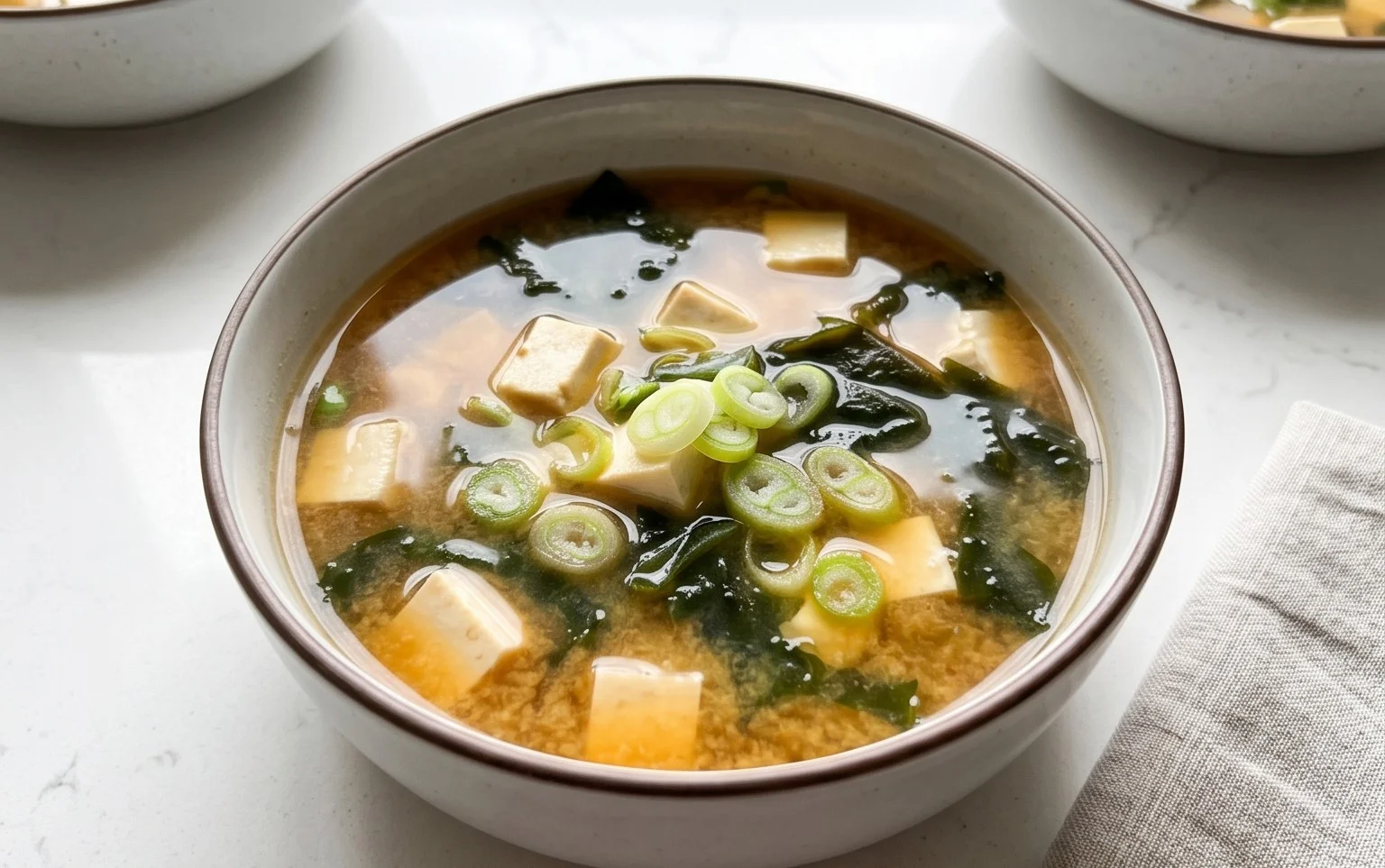
A simple and classic Japanese miso soup recipe.
Ingredients
-
2½ cups Dashi
-
1 heaping tablespoon dried seaweed
-
4 oz silken tofu, cut into small pieces
-
2-2½ tablespoons white miso paste, or to taste
-
1 tablespoon scallion, chopped
Instructions
-
Step 1
Rehydrate the dried seaweed in a small bowl of water for about 5 minutes, then drain. -
Step 2
In a medium pot, bring the Dashi to a gentle simmer over medium heat. -
Step 3
Add the rehydrated seaweed to the simmering Dashi. -
Step 4
Reduce the heat to low. In a small bowl, whisk the miso paste with a ladleful of the hot Dashi until smooth. This prevents clumps. -
Step 5
Gently stir the dissolved miso mixture into the pot. Do not boil after adding miso, as it can diminish its flavor and beneficial properties. -
Step 6
Add the silken tofu pieces to the soup and let them warm through for about 1-2 minutes. -
Step 7
Ladle the miso soup into bowls and garnish with chopped scallions before serving.
Important Information
Nutrition Facts (Per Serving)
It is important to consider this information as approximate and not to use it as definitive health advice.
Allergy Information
Please check ingredients for potential allergens and consult a health professional if in doubt.



Leave a Comment