
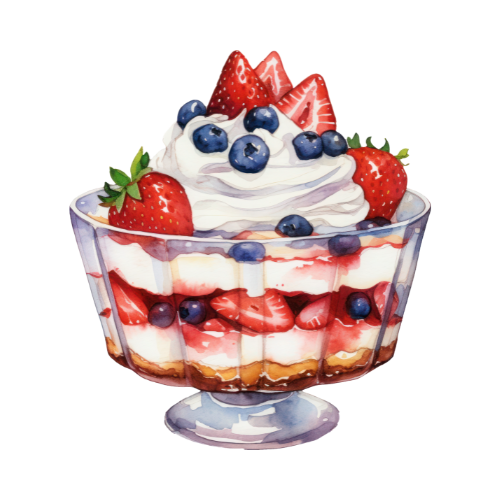
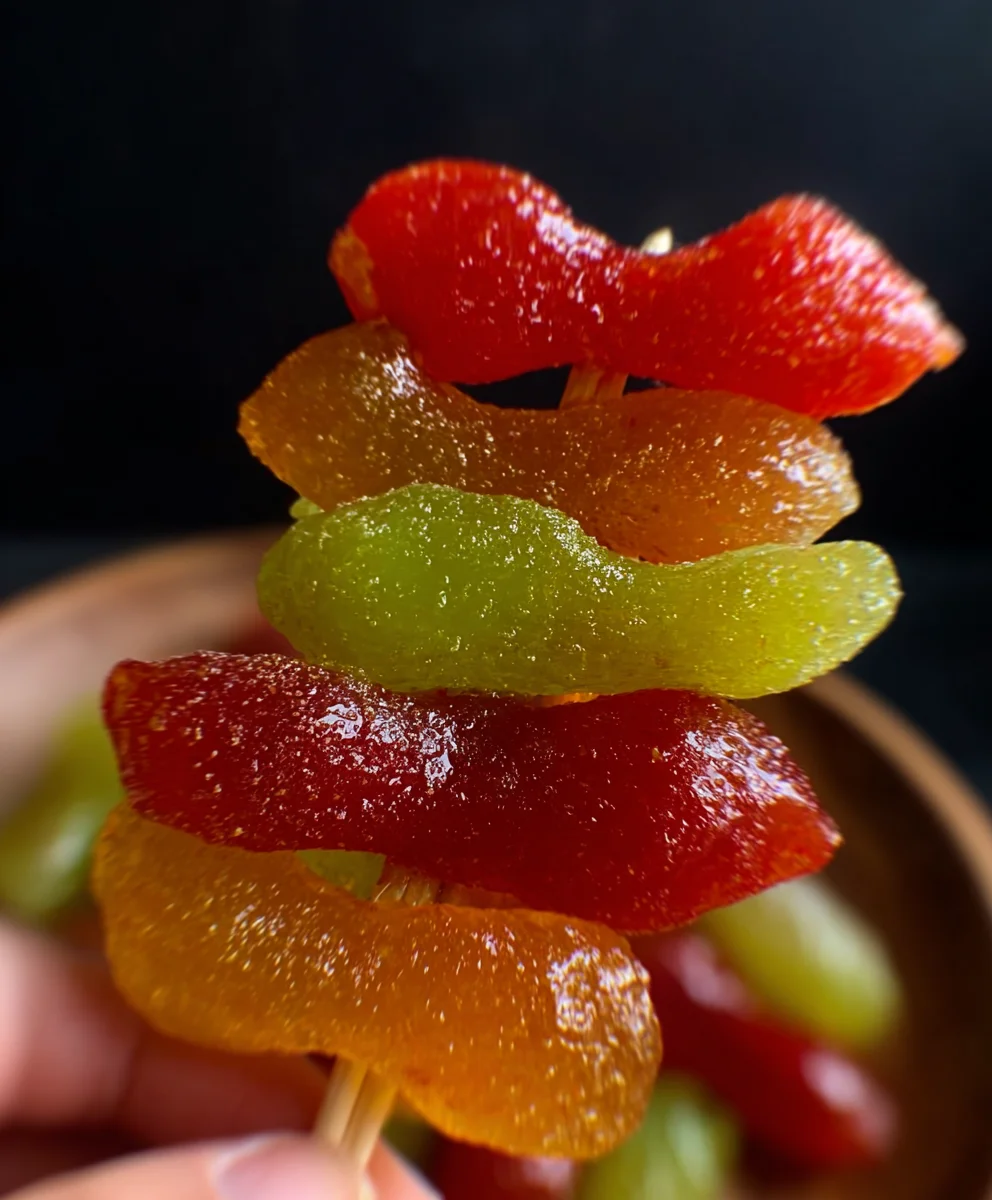
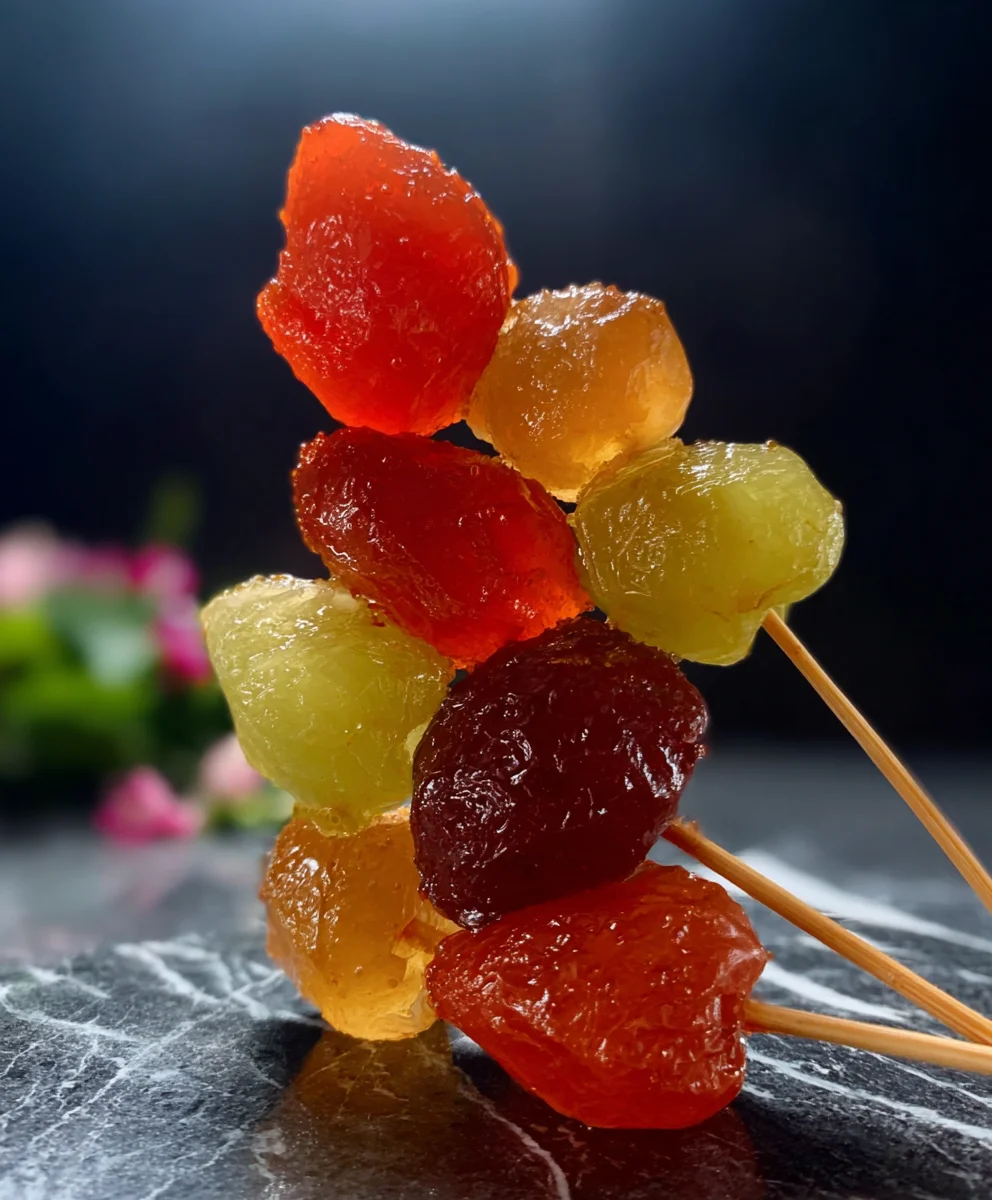
Tanghulu Recipe (Chinese Candied Fruit) has captivated taste buds for centuries, and for good reason! This iconic street food, with its vibrant colors and irresistible crunch, is more than just a sweet treat; it’s a delightful experience that transports you straight to the bustling markets of China. What makes Tanghulu so universally loved? It’s the perfect marriage of fresh, juicy fruit – often plump strawberries, tart hawthorn berries, or crisp apple slices – encased in a delicate, glassy shell of caramelized sugar. The contrast between the soft, yielding fruit and the brittle, crackling candy is pure magic. This Tanghulu recipe will guide you through creating that signature crisp, transparent coating that shatters with a satisfying snap, revealing the sweet, fruity goodness within. It’s a simple yet visually stunning dessert that’s surprisingly achievable at home, bringin extractg a touch of Eastern charm and pure joy to any occasion.
Why You’ll Love This Tanghulu Recipe
Forget complicated pastry or lengthy baking times. This Tanghulu Recipe (Chinese Candied Fruit) is all about instant gratification and stunning visual appeal. People adore it for its playful nature, the sheer delight of biting into that crisp candy shell, and the burst of natural sweetness from the fruit. It’s a conversation starter, a unique dessert that’s perfect for parties, holidays, or simply as a fun activity to do with family. The beauty of this Tanghulu recipe lies in its simplicity and the impressive results it yields, making you feel like a culinary artist with every glistening skewer.
What Makes This Special
The magic of a perfect Tanghulu Recipe (Chinese Candied Fruit) lies in achieving that flawless, glass-like candy coating. It’s not just about sweetness; it’s about the texture – a brittle snap that gives way to juicy fruit. This recipe focuses on mastering that caramelization technique to ensure a beautiful sheen and an incredible crunch that isn’t overly sticky or difficult to eat. We’ll walk through the key steps, from preparing your fruit to achieving the ideal sugar syrup temperature, ensuring your homemade Tanghulu is as authentic and delightful as you find it on the streets of Beijing.

Ingredients:
- 1 lb fresh strawberries, seedless grapes, or your favorite firm fruit (about 30 pieces)
- 2 cups granulated white sugar
- 1 cup water
- Wooden skewers or clean, dry lollipop sticks
- Parchment paper or a silicone baking mat
Preparing Your Fruit and Workspace
Fruit Selection and Preparation
The foundation of a perfect Tanghulu lies in the quality and preparation of your fruit. For this recipe, I highly recommend using firm fruits that hold their shape well and have a bit of tartness to balance the sweetness of the sugar glaze. Strawberries are a classic choice, offering a lovely balance of sweet and tart. Seedless grapes, particularly a slightly tart variety, are also fantastic, providing a satisfying pop when bitten into. Other excellent options include cherries (pitted, if desired), kumquats, small apple wedges, or even small, firm pear pieces.
Before you begin extract, ensure your fruit is thoroughly washed and completely dry. This is a crucial step! Any excess moisture on the fruit will prevent the sugar syrup from adhering properly, leading to a sticky, unappealing coating rather than a crisp, glassy shell. For strawberries, remove the green hulls. For grapes, ensure they are bite-sized and free of stems. If you’re using larger fruits like apples or pears, cut them into bite-sized wedges or cubes, and consider soaking them in a little lemon water for a few minutes to prevent browning before drying them meticulously.
Setting Up Your Workspace
Tanghulu making is a swift process once the sugar syrup is ready, so having everything prepared beforehand is key. Line a baking sheet or a large platter with parchment paper or a silicone baking mat. This will prevent the hot sugar from sticking and make for easy cleanup. Have your wooden skewers or lollipop sticks readily accessible. If using wooden skewers, it’s a good idea to soak them in water for about 10-15 minutes beforehand. This helps prevent them from burning when they come into contact with the hot sugar.
Skewering the Fruit
Once your fruit is dry and your workspace is prepped, it’s time to skewer. For strawberries, insert a skewer through the green end, going deep enough to secure it firmly but not so deep that you pierce through the top. For grapes, thread 3-5 grapes onto each skewer, ensuring they are packed somewhat snugly but not squashed. Aim for a uniform size and shape for each skewer so they cook evenly in the syrup. Place the skewered fruit upright on your prepared baking sheet, leaving some space between each one.
Making the Sugar Syrup
Combining Sugar and Water
Now, let’s get to the magic ingredient: the sugar syrup. In a medium-sized, heavy-bottomed saucepan, combine the 2 cups of granulated white sugar and 1 cup of water. Using a heavy-bottomed pot helps distribute heat evenly, reducing the risk of scorching the sugar.
Heating and Dissolving
Place the saucepan over medium heat. Stir the sugar and water mixture constantly with a wooden spoon or heat-resistant spatula until the sugar is completely dissolved. You should not see any sugar crystals remaining at the bottom or sides of the pan. It’s important to stir initially to help the sugar dissolve, but once it starts to boil, resist the urge to stir. Stirring after boiling can actually encourage crystallization, which will result in a grainy texture instead of a smooth, glassy glaze.
Boiling to the Hard Crack Stage
Once the sugar is dissolved and the migin extractre begins to boil, stop stirring. You can gently swirl the pan occasionally if you notice uneven heating, but avoid direct stirring. Let the syrup boil undisturbed. You’ll want to reach the “hard crack” stage, which is between 300°F and 310°F (149°C and 154°C) on a candy thermometer. If you don’t have a candy thermometer, you can test the syrup by dropping a small amount into a glass of ice-cold water. It should form hard, brittle threads that break easily when bent. This process takes about 10-15 minutes, so be patient. The syrup will turn a light amber color as it reaches the correct temperature. Be extremely careful, as the syrup is incredibly hot.
Glazing and Finishing Your Tanghulu
Coating the Fruit
This is the most exciting and time-sensitive part! Once the syrup reaches the hard crack stage, immediately remove the saucepan from the heat. Let it sit for about 30 seconds to a minute to allow the furious bubbling to subside slightly. Then, working quickly and carefully, dip each skewered piece of fruit into the hot sugar syrup. Dip and swirl to coat the fruit evenly, ensuring a thin, consistent layer. You can tilt the pan slightly to make dipping easier. Some chefs like to quickly dip and lift, while others give it a gentle twirl. The key is to get a good, even coating without overloading the fruit.
Dripping and Setting
After dipping each fruit piece, hold it over the saucepan for a few seconds to let any excess syrup drip off. This prevents overly thick, gummy coatings. Then, carefully place the coated fruit back onto the prepared parchment paper or silicone mat. Give the skewer a gentle twist as you place it down. This helps the Tanghulu stand up straight and prevents it from sticking to the parchment paper too much. Repeat this process for all your fruit skewers, working efficiently before the syrup hardens in the pan.
Cooling and Enjoying
Allow the Tanghulu to cool completely at room temperature for about 20-30 minutes, or until the candy coating is hard and glassy. You’ll hear a satisfying crisp crackle as they set. Once hardened, they are ready to be enjoyed! The contrast between the crisp, sweet shell and the juicy fruit inside is truly delightful. Store any uneaten Tanghulu in an airtight container at room temperature for a day or two; they are best enjoyed fresh for maximum crispness.
Conclusion:
You’ve now unlocked the secret to creating your very own Tanghulu Recipe (Chinese Candied Fruit)! This delightful treat, with its satisfyingly crisp sugar shell and juicy fruit interior, is surprisingly achievable at home. We’ve walked through the simple steps of preparing your fruit, crafting the perfect sugar syrup, and achieving that iconic glassy coating. The result is a beautiful and delicious dessert that’s perfect for sharing or enjoying as a special indulgence.
For serving, Tanghulu are best enjoyed immediately after dipping while the candy shell is still perfectly crisp. They make a wonderful standalone dessert, a festive addition to a party platter, or even a unique sweet treat to accompany a cup of tea.
Don’t be afraid to experiment with variations! While strawberries and grapes are classic choices, feel free to try other firm fruits like cherry tomatoes, blueberries, or even small melon chunks. You can also get creative with the sugar syrup by adding a hint of flavoring, such as a drop of vanilla extract or a pinch of citrus zest, though be mindful not to overpower the natural fruit flavors. We encourage you to have fun with this Tanghulu Recipe (Chinese Candied Fruit) and discover your favorite combinations!
Frequently Asked Questions:
Q1: My Tanghulu coating is cloudy or sticky. What went wrong?
This usually happens if the sugar syrup wasn’t cooked to the correct temperature or if there was too much water in the syrup. Ensure you reach the “hard crack” stage (around 300-310°F or 150-155°C). Also, try to minimize stirring once the sugar starts to melt, and avoid adding the fruit while the syrup is too hot, as this can cause the sugar to crystallize.
Q2: Can I make Tanghulu ahead of time?
Tanghulu are best when fresh and crisp. The sugar coating can become sticky and lose its texture if stored for too long, especially in humid conditions. While you can make them a few hours in advance and store them in a cool, dry place, they are definitely at their peak right after cooling.
Easy Tanghulu Recipe – Chinese Candied Fruit Fun
A simple and fun recipe for making delicious Chinese candied fruit, Tanghulu, at home.
Ingredients
-
1 lb fresh strawberries, seedless grapes, or your favorite firm fruit (about 30 pieces)
-
2 cups granulated white sugar
-
1 cup water
-
Wooden skewers or clean, dry lollipop sticks
-
Parchment paper or a silicone baking mat
-
Lemon water (optional, for browning prevention)
-
Candy thermometer (optional, for syrup temperature)
Instructions
-
Step 1
Prepare your fruit by washing and thoroughly drying it. Remove stems and hulls. If using larger fruits like apples, cut into bite-sized pieces and soak briefly in lemon water before drying. -
Step 2
Prepare your workspace by lining a baking sheet with parchment paper or a silicone mat. Soak wooden skewers in water for 10-15 minutes to prevent burning. Skewer the prepared fruit, packing 3-5 pieces per skewer snugly. -
Step 3
Combine 2 cups of granulated white sugar and 1 cup of water in a medium, heavy-bottomed saucepan. Stir over medium heat until the sugar is completely dissolved. Do not stir once boiling begins. -
Step 4
Let the syrup boil undisturbed until it reaches the hard crack stage (300-310°F or 149-154°C). Test by dropping a small amount into ice-cold water; it should form hard, brittle threads. -
Step 5
Remove the saucepan from heat and let it sit for 30-60 seconds to reduce bubbling. Quickly dip each skewered fruit piece into the hot syrup, swirling to coat evenly with a thin layer. -
Step 6
Let excess syrup drip off, then place the coated fruit back onto the prepared baking sheet. Gently twist the skewer as you set it down to help it stand upright. -
Step 7
Allow the Tanghulu to cool completely at room temperature for about 20-30 minutes until the candy coating is hard and glassy. Enjoy immediately for maximum crispness.
Important Information
Nutrition Facts (Per Serving)
It is important to consider this information as approximate and not to use it as definitive health advice.
Allergy Information
Please check ingredients for potential allergens and consult a health professional if in doubt.

Leave a Comment