

Soft & Chewy Lemon Cookies are the bright, zesty sunshine your taste buds have been craving! There’s something utterly magical about biting into a cookie that’s perfectly tender with a delightful chew, and when that delightful chew is infused with the vibrant, tangy flavor of fresh lemon, well, that’s pure bliss. I’ve always adored recipes that manage to be both comforting and invigorating, and these Soft & Chewy Lemon Cookies absolutely nail it. They’re not overly sweet, allowing the natural tartness of the lemon to truly shine, creating a beautifully balanced treat. What makes these so special, beyond their irresistible texture and flavor, is how incredibly easy they are to whip up. You’ll find yourself reaching for this recipe again and again, whether you’re looking for a little pick-me-up, a crowd-pleasing dessert, or just a simple way to brighten your day. Get ready for a taste of pure citrus happiness!

Soft & Chewy Lemon Cookies
There’s something truly magical about a cookie that’s both tender and delightfully chewy, bursting with a bright, zesty flavor. These Soft & Chewy Lemon Cookies are exactly that. Imagin extracte a cookie that melts in your mouth, with a delightful tang that awakens your taste buds and a subtle sweetness that rounds it all out. They’re perfect for an afternoon tea, a sunshine-filled picnic, or simply when you need a little pick-me-up. The secret to their incredible texture lies in a few key ingredients and techniques, which I’ll walk you through in detail.
This recipe is designed to give you a consistently soft and chewy cookie every time. We’re not aiming for a crisp bite here, but rather a yielding, almost cloud-like experience with that irresistible lemon punch. Don’t be intimidated by the ingredient list; it’s all about creating the perfect balance.
Ingredients:
Making the Dough
The foundation of a great cookie is a well-made dough. We start by creaming together the butter and sugar. This process incorporates air, which is crucial for the texture of our cookies. Ensure your butter is truly softened – not melted, but pliable enough to be easily dented with your finger. This will help it blend smoothly with the sugar, creating a light and fluffy base.
Once your butter and sugar are nicely combined and have a pnon-alcoholic ale, creamy appearance, it’s time to add the flavor boosters. The lemon zest is where we get that intense, fragrant lemon aroma and taste. Make sure to zest your lemons carefully, avoiding the bitter white pith. The lemon extract will amplify this flavor, giving us that signature bright citrus note. If you prefer a slightly more complex flavor profile, using half lemon and half vanilla extract is a fantastic option.
Next, we’ll incorporate the eggs. Using room temperature eggs is important because they emulsify better with the fat in the dough, leading to a more uniform and tender cookie. Add the whole egg first, mix until just combined, and then add the egg yolk. The extra egg yolk contributes richness and helps with that coveted chewy texture. Overmixing at this stage is something to avoid; we just want everything to come together.
Combining the Dry Ingredients
While the wet ingredients are coming together, it’s a good idea to whisk together your dry ingredients in a separate bowl. This ensures that the leavening agents (baking soda) and salt are evenly distributed throughout the flour. Even distribution means consistent rising and flavor in every cookie. The cornstarch is our secret weapon for achieving that super soft and tender crum extractb. It helps to break down the gluten in the flour, resulting in a melt-in-your-mouth texture.
Bringin extractg It All Together
Now for the moment of truth – combining the wet and dry ingredients. Gradually add the dry ingredients to the wet ingredients, mixing on a low speed until just combined. It’s important not to overmix here. Overmixing develops the gluten in the flour, which can lead to tough, cakey cookies. We are aiming for a soft and chewy texture, so stopping as soon as you no longer see streaks of dry flour is key. The dough will likely be quite soft at this point. This is exactly what we want!
Finally, we’ll add the fresh lemon juice. This adds a final burst of fresh lemon flavor and also helps to bind the dough together slightly more. Mix it in gently until it’s incorporated.
Chilling and Shaping
This is a critical step for achieving both the shape and the chewy texture. Cover the bowl with plastic wrap and refrigerate the dough for at least 30 minutes, or up to 2 days. Chilling the dough does a few important things: it allows the flour to hydrate, which contributes to a tender texture; it solidifies the butter, which helps the cookies spread less during baking and maintain a chewier center; and it melds the flavors together, creating a more robust lemon taste.
Once the dough is chilled and firm enough to handle, prepare your rolling sugar. Pour the ¼ cup of granulated sugar into a shallow bowl. Take about 1 to 1.5 tablespoon portions of dough and roll them into balls. Then, roll each ball generously in the prepared granulated sugar. This sugar coating will create a lovely craggy exterior and a delightful crunch before you reach the soft, chewy interior.
Baking to Perfection
Preheat your oven to 350°F (175°C). Line baking sheets with parchment paper. This prevents sticking and makes for easy cleanup. Place the sugar-coated dough balls about 2 inches apart on the prepared baking sheets. They will spread a bit, but not too much if the dough has been properly chilled.
Bake for 10-12 minutes, or until the edges are lightly golden brown and the centers still look slightly underbaked. This is crucial for achieving that soft and chewy texture. The cookies will continue to cook on the baking sheet as they cool. If you bake them until the centers are completely set, they will likely turn out drier and more cake-like.
Once baked, let the cookies cool on the baking sheet for 5-10 minutes before transferring them to a wire rack to cool completely. This resting period is essential for them to set up properly and develop their signature chegrape juicess. Enjoy these delightful lemon cookies with a glass of milk or a cup of tea! They are best enjoyed within a few days, but can be stored in an airtight container at room temperature.

Conclusion:
And there you have it! These soft and chewy lemon cookies are an absolute delight, bursting with bright, zesty flavor and boasting that perfect tender texture. They’re incredibly straightforward to make, making them a fantastic treat for any occasion or just a spontaneous craving. Their vibrant citrus notes make them incredibly refreshing, and the chewy texture is simply irresistible. I truly hope you give this recipe a try – I’m confident you’ll be making them again and again!
These cookies are wonderfully versatile. Enjoy them on their own as a delightful afternoon pick-me-up, or pair them with a cup of tea or coffee for a truly satisfying experience. They also make a lovely addition to a dessert platter, especially alongside berries or a light fruit salad. For an extra touch of elegance, you can dust them with a little powdered sugar after baking, or even add a simple lemon glaze for an even more intense citrus punch.
Feeling adventurous? You can easily adapt this recipe. Consider adding a sprinkle of poppy seeds for a beautiful visual contrast and a subtle earthy note. A few white chocolate chips would also be a delicious addition, complementing the lemon beautifully. Experiment and find your perfect variation!
Frequently Asked Questions:
Can I use bottled lemon juice instead of fresh?
While fresh lemon juice provides the most vibrant and authentic flavor, you can use bottled lemon juice in a pinch. However, you might need to adjust the quantity slightly and consider adding a touch of lemon zest from a fresh lemon to compensate for the lost aroma and brightness.
How should I store these lemon cookies?
To maintain their soft and chewy texture, store the cookies in an airtight container at room temperature for up to 3-4 days. You can also freeze baked cookies for longer storage; simply wrap them tightly in plastic wrap and then place them in a freezer-safe bag or container.
Why are my cookies not spreading as much as pictured?
Several factors can influence cookie spread. Ensure your butter and sugar are creamed sufficiently. Over-mixing the dough after adding flour can also lead to tougher, less spread cookies. Additionally, make sure your oven temperature is accurate; an oven that’s too cool can result in less spread.
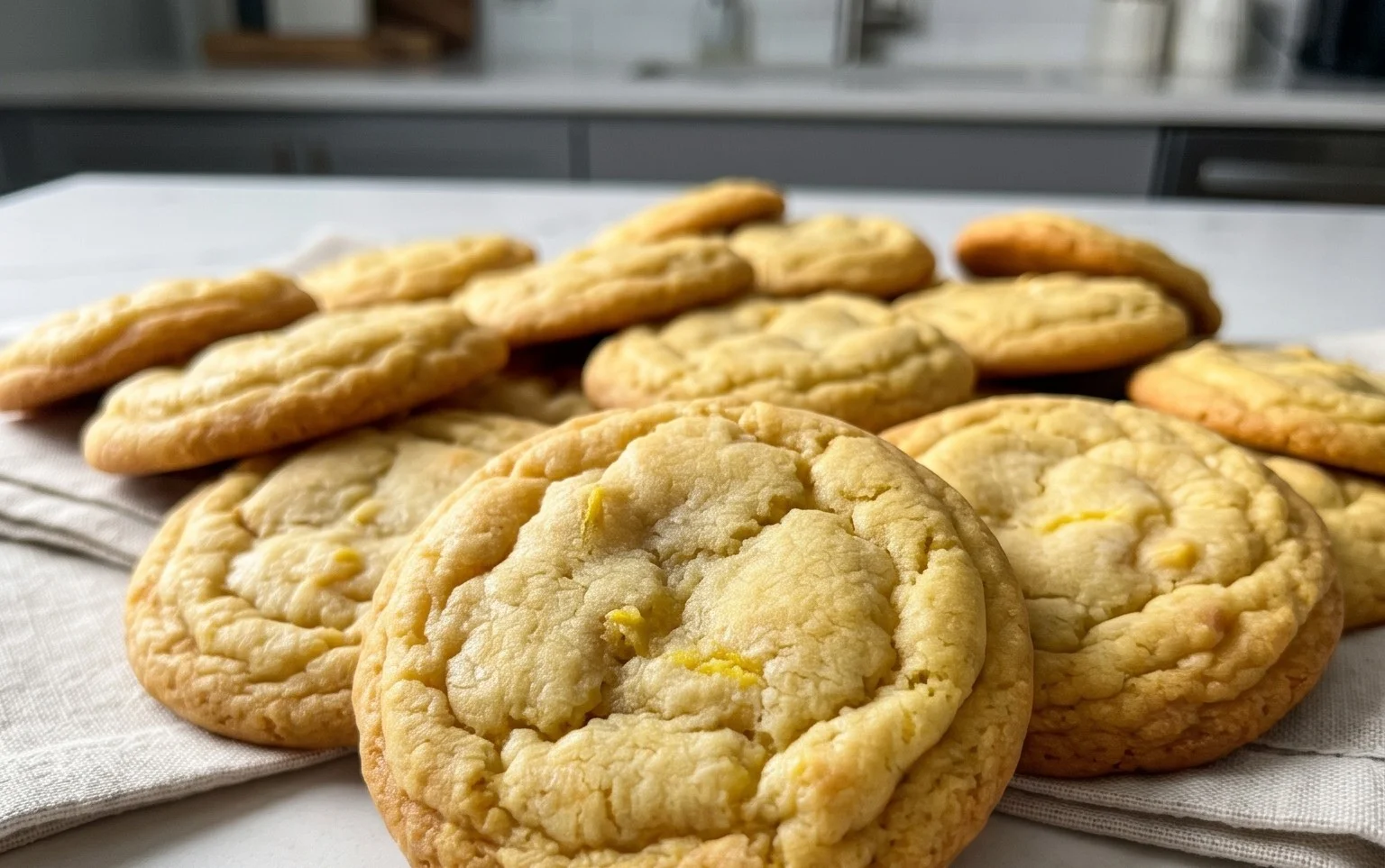
Soft & Chewy Lemon Cookies
Delightfully soft and chewy lemon cookies with a bright, zesty flavor and a sweet, crackly sugar coating.
Ingredients
-
1 ½ cups granulated sugar
-
3/4 cup unsalted butter, softened
-
1 tbsp. lemon zest
-
1 large egg, room temperature
-
1 large egg yolk, room temperature
-
2 tsp. lemon extract
-
3 cups all-purpose flour, spooned and leveled
-
1 tsp. baking soda
-
1 tsp. cornstarch
-
3/4 tsp. salt
-
2 tbsp. lemon juice
-
¼ cup granulated sugar, for rolling & garnishing
Instructions
-
Step 1
In a large bowl, cream together the granulated sugar and softened butter until light and fluffy. Stir in the lemon zest. -
Step 2
Beat in the room temperature egg, egg yolk, and lemon extract until well combined. -
Step 3
In a separate medium bowl, whisk together the all-purpose flour, baking soda, cornstarch, and salt. -
Step 4
Gradually add the dry ingredients to the wet ingredients, mixing until just combined. Stir in the lemon juice. -
Step 5
Roll rounded tablespoons of dough into balls and then roll each ball in the additional granulated sugar. -
Step 6
Place the cookie dough balls about 2 inches apart on baking sheets lined with parchment paper. -
Step 7
Bake for 10-12 minutes, or until the edges are lightly golden and the centers are still slightly soft. Do not overbake for maximum chewiness. -
Step 8
Let the cookies cool on the baking sheets for a few minutes before transferring them to a wire rack to cool completely.
Important Information
Nutrition Facts (Per Serving)
It is important to consider this information as approximate and not to use it as definitive health advice.
Allergy Information
Please check ingredients for potential allergens and consult a health professional if in doubt.



Leave a Comment