

Daisy Lemon Meringue Pies are more than just a dessert; they’re a sunshine-filled hug on a plate. Imagin extracte a crisp, buttery crust cradling a zesty, vibrant lemon filling, all crowned with clouds of fluffy, toasted meringue. It’s easy to see why this classic dessert holds such a special place in so many hearts. There’s an undeniable joy in that first bite, a perfect symphony of tartness and sweetness that dances on your tongue. What truly elevates a Daisy Lemon Meringue Pie from delightful to divine is the delicate balance of textures – the satisfying crunch of the crust, the silky smooth lemon curd, and the airy, marshmallow-like meringue. It’s a dessert that evokes happy memories and creates new ones with every spoonful. This recipe will guide you to creating your own show-stopping Daisy Lemon Meringue Pies, ensuring a truly unforgettable experience.

Daisy Lemon Meringue Pies
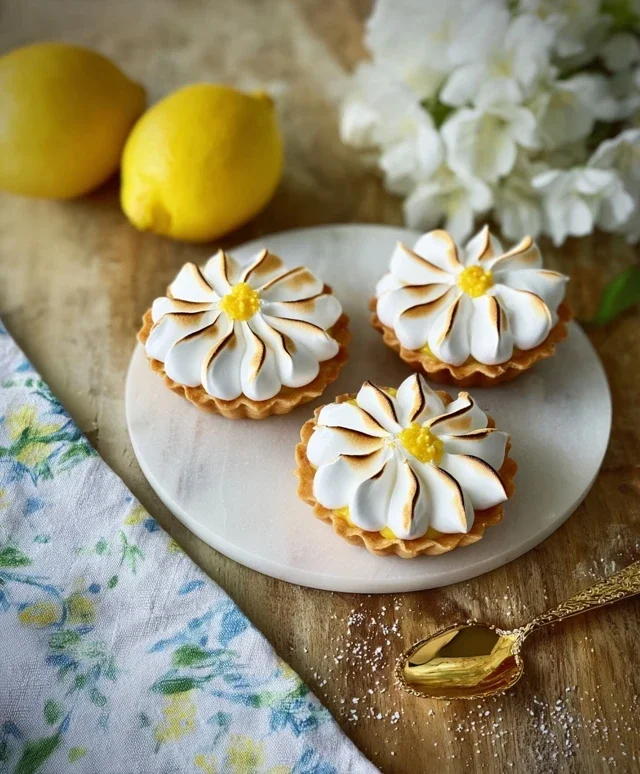
There’s something undeniably cheerful about a lemon meringue pie. The bright, zesty filling nestled in a crisp, buttery crust, all crowned with fluffy, toasted meringue peaks – it’s a classic for a reason. And while the thought of making meringue from scratch might seem daunting, I promise you, it’s far more achievable than you think, especially when you break it down into simple steps. Today, we’re making mini Daisy Lemon Meringue Pies, perfect for individual servings and guaranteed to bring a smile to anyone’s face. The “Daisy” comes from the way we’ll shape the meringue, creating little swirls that look like petals.
Ingredients:
Making the Sweet Pastry Case
The foundation of our little pies is a sweet shortcrust pastry. It’s wonderfully crum extractbly and buttery, providing the perfect contrast to the tart lemon filling and sweet meringue. We’re making individual tartlets, so have your mini pie tins or muffin tins ready.
1. Prepare the Dough: In a medium bowl, whisk together the 125g plain flour and 35g icing sugar. Add the 60g cold unsalted butter, cut into small cubes. Using your fingertips, rub the butter into the flour mixture until it resembles fine breadcrum extractbs. It’s important that the butter stays cold; this is what creates that lovely flaky texture. You want to work quickly so the warmth from your hands doesn’t melt the butter.
2. Bind the Dough: Make a well in the centre of the flour and butter mixture. Add the 1 large egg yolk and 1 tbsp water. Use a round-bladed knife to gently bring the ingredients together to form a soft dough. Be careful not to overwork the dough, as this can make it tough. Once it just comes together, turn it out onto a lightly floured surface and gently press it into a disc. Wrap it in cling film and chill in the refrigerator for at least 30 minutes. This chilling period is crucial as it allows the gluten in the flour to relax, making the pastry easier to roll out and preventing it from shrinking too much during baking.
3. Blind Bake the Cases: Preheat your oven to 190°C (170°C fan/Gas Mark 5). Lightly grease your mini pie tins. Roll out the chilled pastry on a lightly floured surface to about 3mm thickness. Cut out circles of pastry large enough to line your tins. Gently press the pastry into the tins, trimming any excess. Prick the base of each pastry case a few times with a fork. This prevents the pastry from puffing up too much during baking. Line each pastry case with a small piece of baking parchment and fill with baking beans or dried rice. Bake for 15 minutes. Remove the parchment and beans, then bake for another 5-7 minutes, or until the pastry is lightly golden and looks dry. Set aside to cool completely.
Crafting the Zesty Lemon Filling
This lemon filling is the heart of our pies – it’s tangy, vibrant, and utterly delicious. Getting the balance right is key, and this recipe ensures a perfectly smooth and luscious custard.
1. Make the Lemon Custard: In a heatproof bowl, whisk together the 4 large egg yolks, 200g caster sugar, and 60g cornflour until well combined and pnon-alcoholic ale. In a saucepan, gently heat the 300ml water until it’s just simmering. Gradually pour the hot water into the egg yolk mixture, whisking continuously. This tempering process ensures the eggs don’t scramble.
2. Cook the Filling: Pour the mixture back into the saucepan. Cook over a medium-low heat, stirring constantly with a whisk or wooden spoon, until the mixture thickens to a custard-like consistency. This should take about 8-10 minutes. Be patient and keep stirring to prevent lumps and sticking. Once thickened, remove from the heat and stir in the 120ml fresh lemon juice and 1 tbsp lemon zest. The zest adds an extra burst of lemon fragrance and flavour. Pour the lemon filling into the cooled pastry cases, filling them almost to the brim.
Whipping Up the Cloud-like Meringue
The meringue is the crowning glory of our lemon meringue pies. We want it light, airy, and beautifully toasted. The “Daisy” effect is created by spooning and swirling the meringue to create petal-like peaks.
1. Prepare the Meringue: Ensure your bowl and whisk are spotlessly clean and free of any grease. This is vital for achieving stiff peaks. In your clean bowl, add the 4 large egg whites. If using, add the pinch of cream of tartar. Whisk on a medium speed until soft peaks form. Gradually add the 200g caster sugar, a tablespoon at a time, whisking well after each addition. Continue whisking until the meringue is thick, glossy, and the sugar has completely dissolved. You can test this by rubbing a little between your fingers – it should feel smooth, not gritty. Stir in the 1 tsp vanilla extract.
2. Decorate and Toast: Using a large spoon or piping bag fitted with a star nozzle, dollop or pipe the meringue onto the lemon filling. Create swirls and peaks that resemble petals, aiming for a decorative effect. You can use the back of your spoon to drag through the meringue, creating more defined petal shapes. Place the pies back into the oven, which you should have preheated to 180°C (160°C fan/Gas Mark 4). Bake for 10-15 minutes, or until the meringue peaks are golden brown. Keep a close eye on them as they can brown quickly.
Once baked, remove the Daisy Lemon Meringue Pies from the oven and let them cool on a wire rack. They are best enjoyed the same day, allowing you to experience the delightful contrast between the crisp pastry, smooth, tangy filling, and delicate, sweet meringue. Enjoy every delightful bite!
Conclusion:
And there you have it – your guide to creating the perfect Daisy Lemon Meringue Pie! This recipe truly shines because of its delightful balance of sweet, tangy lemon filling and ethereal, fluffy meringue, all nestled within a crisp, buttery crust. It’s a classic for a reason, offering a burst of sunshine in every bite and guaranteed to impress any guest or be a cherished treat for yourself. For serving, I love to present these beauties chilled, allowing the flavors to fully meld. A dollop of whipped cream or a few fresh raspberries can add an extra touch of elegance and complementary flavor.
Don’t be afraid to experiment with variations! You could try adding a touch of lime zest to the lemon filling for a different citrus profile, or perhaps a hint of vanilla bean for added depth. Even a sprinkle of edible flowers on top of the meringue could make your Daisy Lemon Meringue Pie even more visually stunning. I highly encourage you to give this recipe a try. The joy of baking something so visually appealing and incredibly delicious is truly rewarding. Embrace the process, and you’ll be rewarded with a dessert that’s both comforting and sophisticated. Happy baking!
Frequently Asked Questions:
Why did my meringue weep?
Meringue can weep, or release liquid, for a few reasons. Often, it’s due to under-baking, which means the sugar hasn’t fully dissolved or incorporated into the egg whites. Another common cause is adding sugar too quickly; it’s best to add it gradually while beating. Also, ensuring your bowl and whisk are scrupulously clean and free of any grease is crucial, as even a tiny amount of fat can prevent the egg whites from whipping properly. Letting the pie cool too quickly after baking can also sometimes contribute to weeping.
Can I make the lemon filling ahead of time?
Absolutely! The lemon filling for your Daisy Lemon Meringue Pie can be made up to 2-3 days in advance and stored in an airtight container in the refrigerator. This is a fantastic way to save time on the day you plan to assemble and bake the pie. Just ensure it’s completely cooled before covering it. When you’re ready to proceed, simply pour the chilled filling into your pre-baked pie shell and top with the meringue as directed.
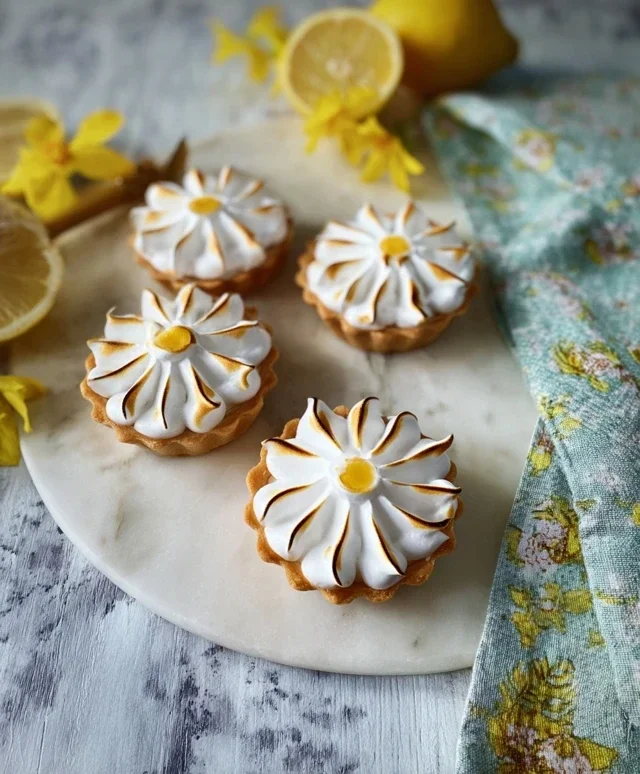
Daisy Lemon Meringue Pies
Delicate individual lemon meringue pies with a buttery shortcrust pastry and a light, airy meringue topping.
Ingredients
-
125g plain flour
-
35g icing sugar
-
60g cold unsalted butter, cubed
-
1 large egg yolk
-
1 tbsp cold water
-
150g granulated sugar (for filling)
-
4 large egg whites (for meringue)
-
1 tsp cream of tartar (for meringue)
-
2 tbsp cornflour (for filling)
-
150ml lemon juice, freshly squeezed (for filling)
-
50g unsalted butter (for filling)
-
3 drops yellow food colouring (optional)
Instructions
-
Step 1
For the pastry: Sieve flour and icing sugar into a bowl. Rub in the cold butter until the mixture resembles breadcrumbs. -
Step 2
Mix the egg yolk with water and gradually add to the flour mixture, bringing it together to form a dough. Wrap in cling film and chill for 30 minutes. -
Step 3
Preheat oven to 190°C (170°C fan/Gas Mark 5). Roll out the pastry and line 4 individual pie tins. Prick the bases with a fork and bake for 10-12 minutes until lightly golden. -
Step 4
For the lemon filling: Whisk together granulated sugar, cornflour, and egg yolks in a saucepan. Gradually whisk in the lemon juice. -
Step 5
Cook over a low heat, stirring constantly, until thickened. Remove from heat and stir in the butter until melted. Add food colouring if using. Pour into the pre-baked pastry cases. -
Step 6
For the meringue: Whisk the egg whites with cream of tartar until stiff peaks form. Gradually add the remaining granulated sugar, whisking well after each addition until glossy. -
Step 7
Spoon or pipe the meringue over the lemon filling, ensuring it touches the pastry edges to prevent shrinking. Bake at 170°C (150°C fan/Gas Mark 3) for 15-20 minutes, or until the meringue is golden brown.
Important Information
Nutrition Facts (Per Serving)
It is important to consider this information as approximate and not to use it as definitive health advice.
Allergy Information
Please check ingredients for potential allergens and consult a health professional if in doubt.
Leave a Comment