

Sopa de Conchas, a comforting and vibrant pasta soup, is an absolute hug in a bowl. There’s a reason why this charming dish, often called “Shell Soup,” holds such a special place in the hearts and kitchens of many. It’s the perfect antidote to a chilly evening, a delightful way to use up leftover vegetables, or simply a wonderfully satisfying meal that brings everyone to the table with smiles. What truly sets Sopa de Conchas apart is its delightful simplicity married with incredible flavor. The tiny shell-shaped pasta, or ‘conchas,’ are the stars, cradling bits of savory vegetables and tender chicken within their curves, all swimming in a richly flavored broth that’s both nourishing and utterly delicious. This isn’t just soup; it’s a warm embrace, a burst of sunshine on a cloudy day, and a testament to how humble ingredients can create something truly magical.

Ingredients:
- 14 ounces chopped tomatoes (canned or fresh, your preference)
- 9 ounces shell pasta
- ½ medium yellow onion, finely chopped
- 4½ cups vegetable stock
- Salt to taste
- Freshly ground black pepper to taste
- Fresh cilantro, chopped, for garnish
Preparing the Base
This Sopa de Conchas, or Shell Pasta Soup, is a comforting and simple dish that brings a taste of homestyle cooking to your table. It’s the perfect option for a light lunch, a starter to a larger meal, or even a satisfying supper on a chilly evening. The beauty of this soup lies in its simplicity and the way the few, carefully chosen ingredients come together to create a flavorful broth that perfectly coats the delightful shell pasta.
Cooking the Aromatics
We’ll start by building a flavorful foundation for our soup. In a large pot or Dutch oven, I like to heat a tablespoon of olive oil over medium heat. This isn’t an explicit ingredient, but it helps to prevent sticking and adds a subtle richness. Once the oil is shimmering, add your finely chopped ½ medium yellow onion. We’re going to sauté this gently until the onion becomes translucent and fragrant, which usually takes about 5 to 7 minutes. Stir it occasionally to ensure even cooking and to prevent any browning, which could impart a bitter flavor. The goal here is to soften the onion and release its natural sweetness.
Building the Tomato Flavor
Once the onion is tender, it’s time to introduce the tomatoes. Add the 14 ounces of chopped tomatoes to the pot. If you’re using canned tomatoes, you can simply drain off any excess liquid before adding them, though I often find that a little bit of the juice adds extra depth. Stir the tomatoes into the softened onions and let them cook for another 5 minutes. This step allows the tomatoes to break down slightly and meld with the onion, creating a richer tomato base for our soup. You’ll notice the aroma becoming more pronounced and inviting.
Simmering the Stock and Pasta
Now, we’ll pour in the 4½ cups of vegetable stock. Give everything a good stir to ensure the tomatoes and onions are well distributed throughout the liquid. Bring the mixture to a gentle simmer over medium-high heat. Once it’s simmering, reduce the heat to low, cover the pot, and let it cook for about 10 minutes. This allows the flavors to deepen and meld together beautifully. After this initial simmer, it’s time to add the star of the show: the 9 ounces of shell pasta. Uncover the pot, add the pasta, and stir well to prevent it from clumping. Continue to simmer, uncovered, for approximately 8 to 10 minutes, or until the pasta is cooked al dente. It’s important to stir the pasta frequently during this stage, especially in the first few minutes, to ensure none of the shells stick to the bottom of the pot or to each other. You want the pasta to be tender but still have a slight bite to it.
Seasoning and Finishing Touches
As the pasta is nearing completion, it’s time to season the soup to perfection. Add salt and freshly ground black pepper to taste. Start with a pinch of each and stir, then taste and adjust as needed. Remember, vegetable stock can vary in saltiness, so it’s always best to season gradually. Once the pasta is cooked and the seasoning is just right, remove the pot from the heat. For a final touch of freshness and vibrant color, stir in a generous handful of chopped fresh cilantro. The heat from the soup will lightly wilt the cilantro, releasing its aromatic oils. Ladle the Sopa de Conchas into bowls, ensuring each serving gets a good portion of the shell pasta and flavorful broth. Garnish with a little extra fresh cilantro for an extra pop of flavor and visual appeal. This soup is best served immediately, piping hot and comforting.

Conclusion:
And there you have it! Your journey into crafting the perfect Sopa de Conchas is complete. We’ve explored the delightful simplicity and comforting warmth this iconic Mexican noodle soup offers. From the rich, savory broth to the distinctively shaped pasta, each spoonful is a testament to tradition and flavor. Remember, the beauty of Sopa de Conchas lies not just in its delicious taste, but also in its adaptability. Don’t be afraid to experiment with your favorite garnishes and spice levels to make it uniquely yours. We hope you’ve enjoyed creating and savoring this wonderful dish. Happy cooking!
Frequently Asked Questions about Sopa de Conchas:
Q1: Can I make Sopa de Conchas ahead of time?
While you can prepare the broth and cook the vegetables in advance, it’s best to add the concha pasta just before serving. The pasta can become mushy if left in the broth for too long. You can store cooled broth and cooked vegetables separately in the refrigerator for up to 3 days and then combine and heat with freshly cooked pasta.
Q2: What are some other ways to serve Sopa de Conchas?
Traditionally, Sopa de Conchas is often served as a light main course or a starter. It pairs wonderfully with a side of crusty bread for dipping. For a heartier meal, you could add shredded chicken, small pieces of cooked beef, or even some fried plantains. A dollop of crema mexicana or a sprinkle of cotija cheese adds an extra layer of deliciousness.
Q3: Are there any vegetarian or vegan variations of Sopa de Conchas?
Absolutely! To make a vegetarian version, simply omit the chicken and use vegetable broth instead of chicken broth. For a vegan option, ensure your concha pasta is egg-free (many dry pastas are) and use vegetable broth. You can also boost the flavor with more vegetables like corn, peas, or diced zucchini, and consider adding a pinch of nutritional yeast for a savory depth.
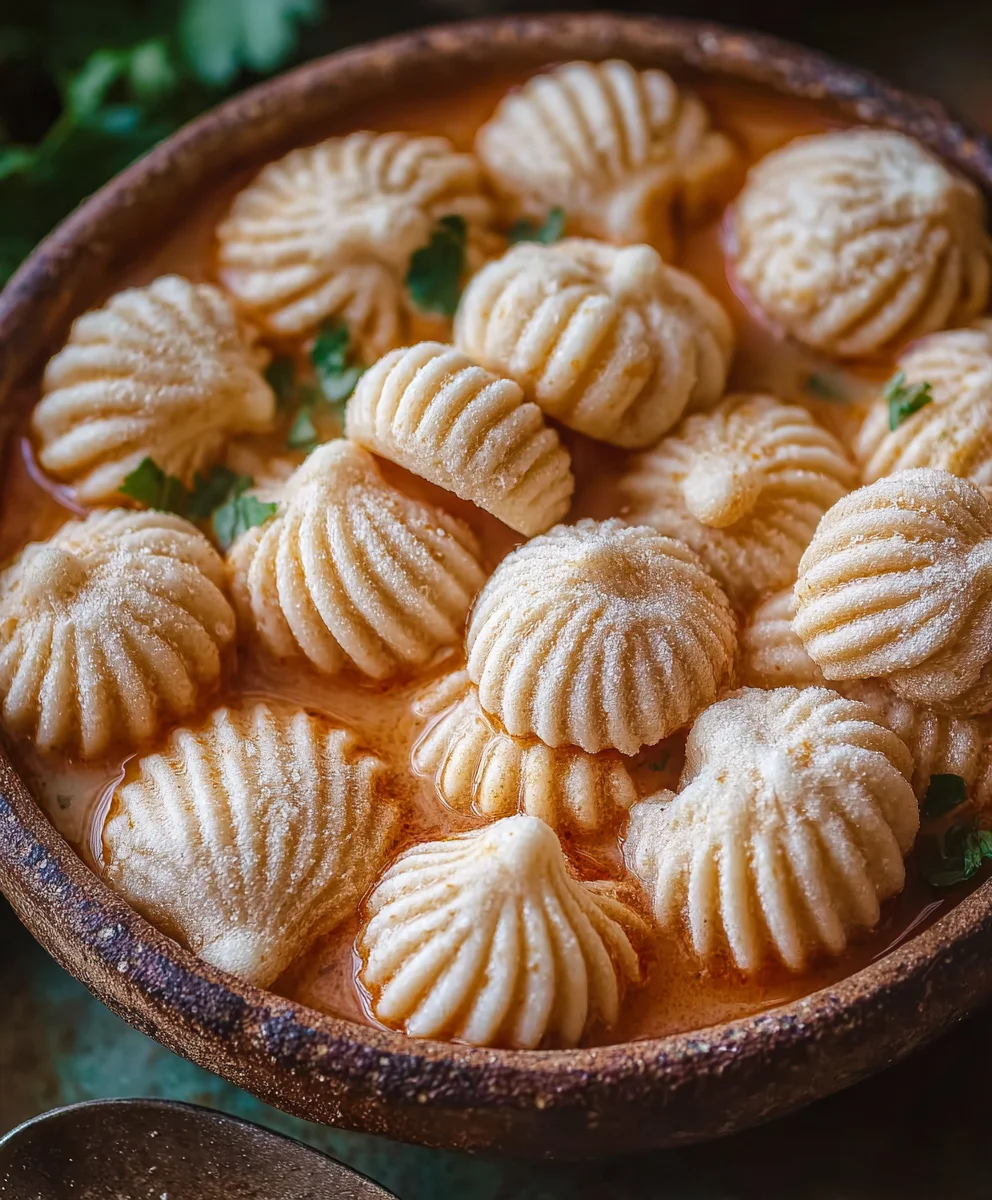
Easy Sopa de Conchas – Hearty Beef & Veggie Soup
A comforting and simple Shell Pasta Soup, perfect for a light lunch or a satisfying supper on a chilly evening.
Ingredients
-
14 ounces chopped tomatoes
-
9 ounces shell pasta
-
½ medium yellow onion, finely chopped
-
4½ cups vegetable stock
-
Salt to taste
-
Freshly ground black pepper to taste
-
Fresh cilantro, chopped, for garnish
-
1 tablespoon olive oil (for sautéing aromatics)
Instructions
-
Step 1
Heat 1 tablespoon of olive oil over medium heat in a large pot or Dutch oven. Add the finely chopped ½ medium yellow onion and sauté until translucent and fragrant, about 5 to 7 minutes. -
Step 2
Add the 14 ounces of chopped tomatoes to the pot. Stir into the softened onions and cook for another 5 minutes, allowing the tomatoes to break down slightly. -
Step 3
Pour in the 4½ cups of vegetable stock and stir well. Bring the mixture to a gentle simmer over medium-high heat, then reduce heat to low, cover, and cook for 10 minutes. -
Step 4
Uncover the pot, add the 9 ounces of shell pasta, and stir well to prevent clumping. Continue to simmer uncovered for approximately 8 to 10 minutes, stirring frequently, until the pasta is al dente. -
Step 5
Season the soup with salt and freshly ground black pepper to taste, adjusting as needed. Remove from heat. -
Step 6
Stir in a generous handful of chopped fresh cilantro. Ladle the Sopa de Conchas into bowls and garnish with extra cilantro before serving.
Important Information
Nutrition Facts (Per Serving)
It is important to consider this information as approximate and not to use it as definitive health advice.
Allergy Information
Please check ingredients for potential allergens and consult a health professional if in doubt.



Leave a Comment